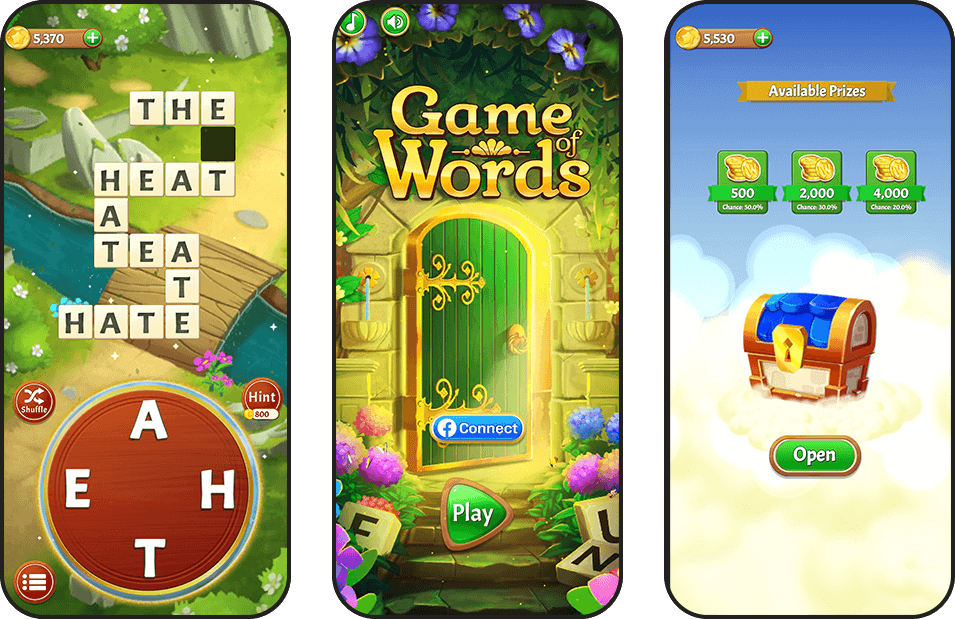
About Dreamloft
DreamLoft is a New-Zealand-based developer that managed to successfully launch its main title, Game of Words: Word Puzzles, and gain initial traction, especially on Google Ads (Android).


Craig Forret Co-Founder of DreamLoftWe’ve found AppAgent to be refreshingly open and transparent to work with. Their team has an earnest ethos of hardwork and are continually hungry to find ways to advance our business goals.
The Brief
Profitably scale Game of Words, set up the production of high-performing creatives, and grow its main title beyond the first traction achieved on Google Ads.
The Solution
During an initial full-funnel Growth Audit, we touched on past UA efforts, ASO, data analytics, product, and monetization.
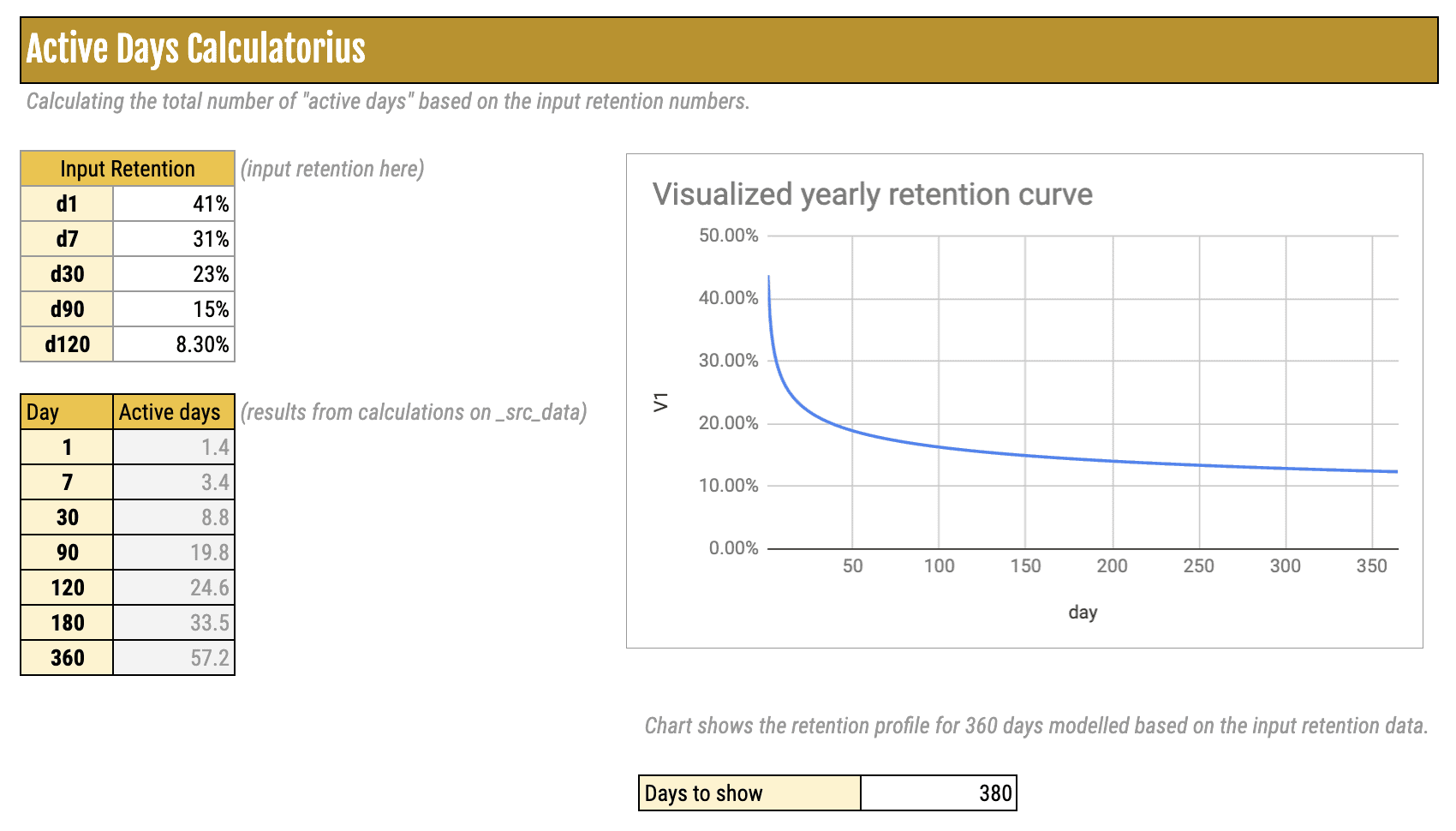
Based on these, we created a prioritized backlog of activities for growth, and defined the LTV prediction model.
Every 3 months, we evaluated the execution and reprioritized activities to gain insights and ideas for creative production and ROAS improvement.
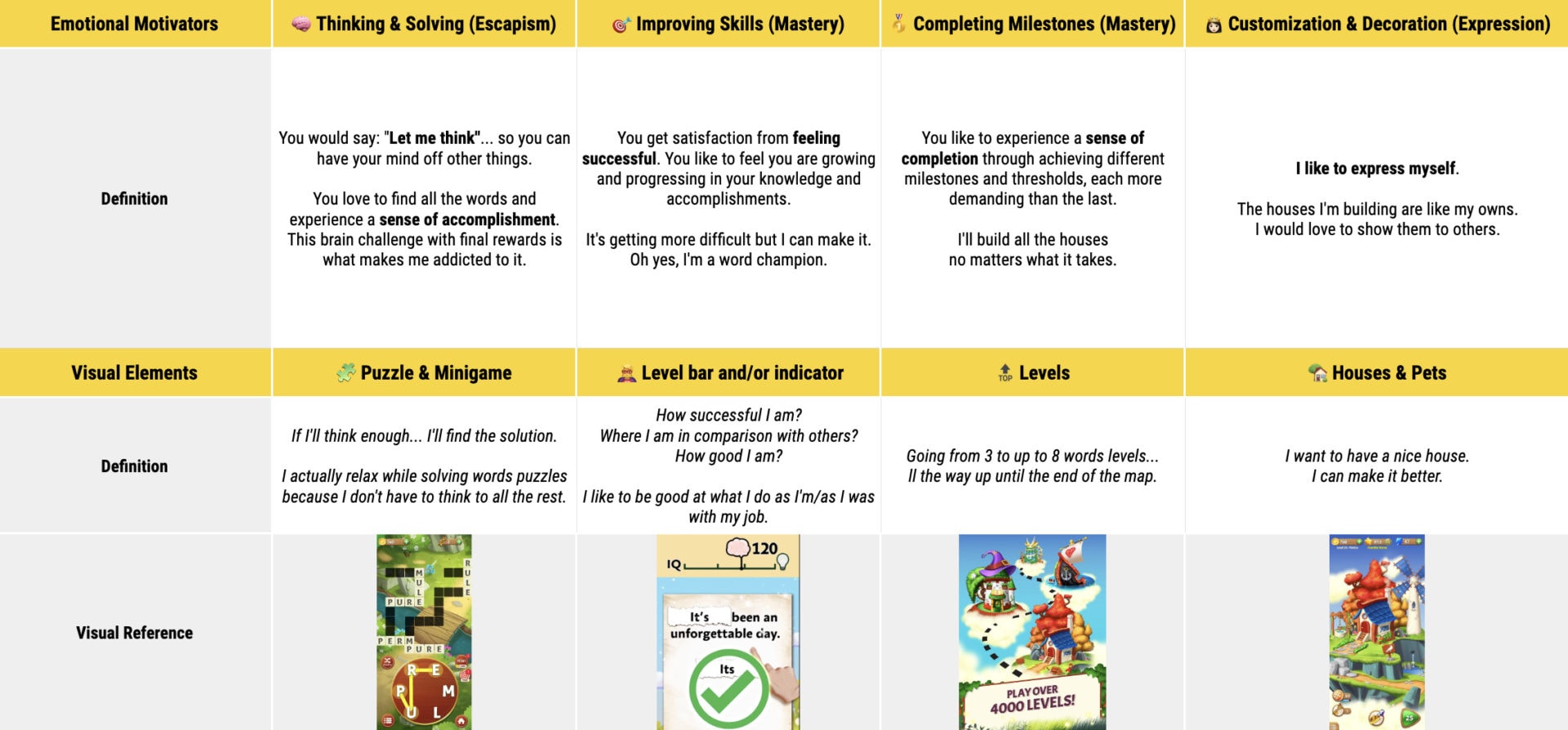
A creative strategy canvas pointing to relevant motivators of Game of Words players helped us to design new creatives—that even outperformed the client’s previous top-performing ads—and allowed us to achieve a 33% creative win rate.
We also expanded existing channels to scale the game profitably on Android and iOS using “hero” (long-lasting & performing) creative ads.
AppAgent’s Conclusion
“Developing a model to predict profitability and payback time was a game-changer. We could more confidently push on user acquisition after knowing exactly which initial metrics to look for. Revenue increased by 65% in just 4 months while maintaining a high margin.”
Frequently Asked Questions
What challenge was DreamLoft trying to solve with Game of Words?
Game of Words had already gained initial traction, particularly on Google Ads (Android), but the team wanted to scale revenue profitably, not just buy more users. The question was how to set up a growth framework—covering UA, creatives, ASO, data, and monetization—that could turn a promising title into a sustainable business.
What is a full-funnel Growth Audit in this context?
For Game of Words, the full-funnel Growth Audit meant reviewing past UA efforts, ASO, data analytics, product, and monetization as one system. Instead of looking at campaigns or creatives in isolation, we mapped how users move from impression to revenue and identified which parts of the funnel had the biggest impact on growth and ROAS.
Did the Growth Audit cover more than UA and creatives?
Yes, the full-funnel Growth Audit covered App Store Optimization (ASO), data analytics, product, and monetization. By viewing them as a single system, we mapped exactly how users move from impression to revenue.
What did the GamePlan™ Growth Audit help DreamLoft prioritize first?
The audit quickly highlighted the highest-impact levers across UA, creatives, ASO and monetization. Concretely, it pointed to LTV modeling and creative strategy as the two areas where focused investment would unlock the most growth, giving the team a clear starting point rather than a long list of equally weighted to-dos.
How did the LTV prediction model help with user acquisition decisions?
The LTV prediction model gave DreamLoft a forward-looking view on profitability and payback time. By knowing which early metrics to watch—such as day-X retention or in-app behavior—the team could decide how hard and where to push UA with confidence, rather than guessing how campaigns would perform over the long term. Specifically, it helped the team prioritize channel expansion across both Android and iOS by providing a confident, forward-looking view on profitability.
What does a 33% creative win rate mean for Game of Words?
A 33% creative win rate means that one out of three new creatives outperformed the client’s previous top ads. That’s a strong result in performance marketing, where many tests fail. It shows that the creative strategy canvas, based on player motivators, consistently generated concepts that could lift IPM, CTR, or ROAS instead of just adding noise.
How did you scale beyond the first traction on Google Ads?
Once the foundations were in place, we expanded channels and platforms, scaling Game of Words profitably on both Android and iOS. The focus was on so-called “hero” creatives—long-lasting, high-performing ads that could support sustained spend rather than short-lived spikes. This combination of channel expansion and hero assets helped drive +57% new users in the US, with revenue growing even faster at +65%, reflecting improved monetization per user, not just more volume.
How long did it take to see results from the growth audit for Game of Words?
Initial insights and priority actions were identified within the first 2-3 weeks. As execution rolled out across UA, creatives, and monetization, performance improved step by step. Within four months, this structured approach led to a 65% increase in revenue, demonstrating how quickly a clear growth framework can translate into tangible results.
Why did you evaluate and reprioritize the growth backlog every three months?
Growth for a live game is never “set and forget.” By revisiting the prioritized backlog every three months, we could incorporate new data, refresh creative and UA ideas, and adjust focus areas for ROAS improvement. This cadence kept the plan realistic for a small team while still pushing Game of Words forward in a structured way.
What can other word or puzzle game studios learn from this case?
The key takeaway is that profitable growth starts with structure: a full-funnel view, an LTV model, and a clear creative strategy. For word and puzzle games in particular, understanding player motivators and building hero creatives around them can be more effective than endlessly testing random ad ideas or simply increasing budgets on a single channel.