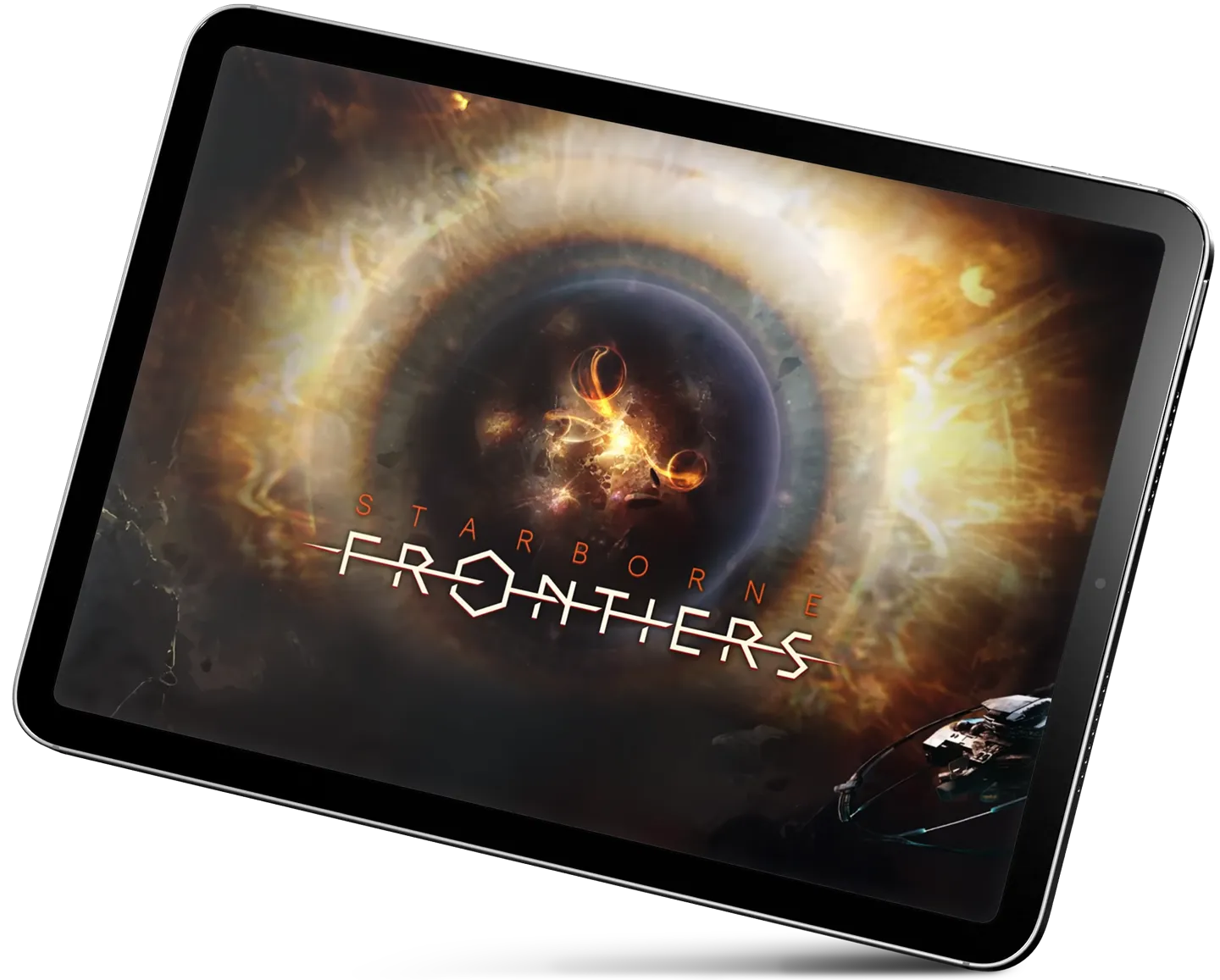
About Starborne: Frontiers mobile game
Solid Clouds, a renowned Icelandic publisher known for its PC gaming expertise, sought to expand into mobile with their game Starborne: Frontiers. However, translating the depth and strategic complexity of a PC-based space strategy game into a compelling mobile experience in a highly competitive market posed a unique challenge.
To meet this challenge, Solid Clouds partnered with two specialized agencies:
- AppAgent for creative strategy and production
- AppSampo for performance marketing execution and campaign optimization

The Brief
The mission was to develop creative assets and messaging that would:
1. Highlight Key Selling Points: Identify which of the game’s elements (ships, captains, storyline, collection, strategy, etc.) resonate most with the players and should ultimately lead UA campaigns.
2. Balance Depth with Performance: Maintain the “PC-game feel” while ensuring mobile-friendly, performance-driven creatives that effectively convert.
While AppAgent focused on creative strategy and production, AppSampo ensured these assets were used efficiently across performance campaigns — maximizing impact and driving ROAS through data-driven campaign execution.
Process
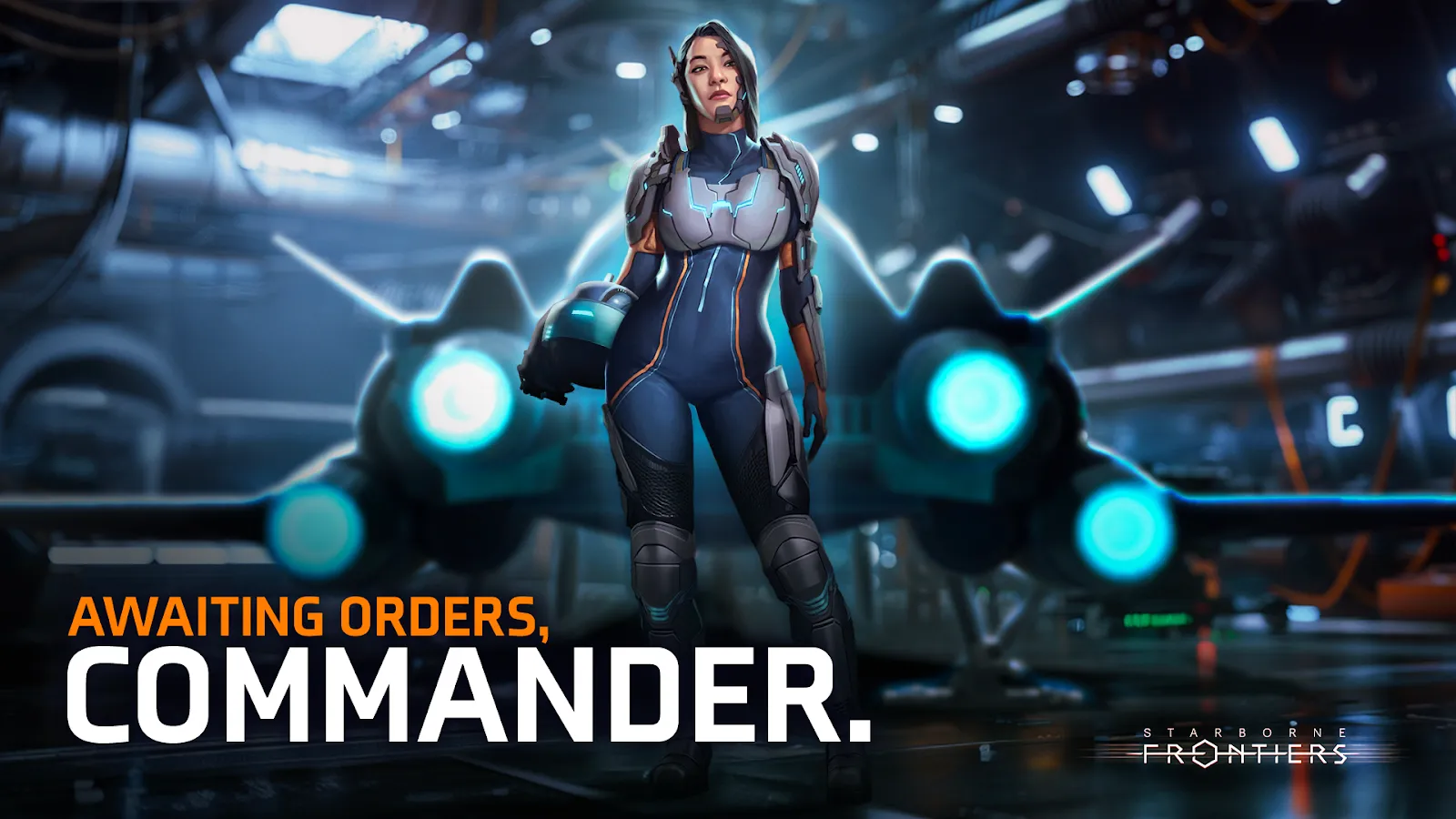
The first batch of UA creatives leveraged proven performance-driven techniques to quickly identify what resonated with the audience. However, the casual mobile game aesthetic misaligned with Starborne: Frontiers’ core audience—hardcore strategy players recruited from desktop platforms.
To better align with player expectations, we shifted to story-driven, voiceover-led creatives with a “Space Cowboy” tone—an approach that had already proven successful in the global trailer. This shift captured the game’s deep lore and complex mechanics, resonating more effectively with strategy enthusiasts.
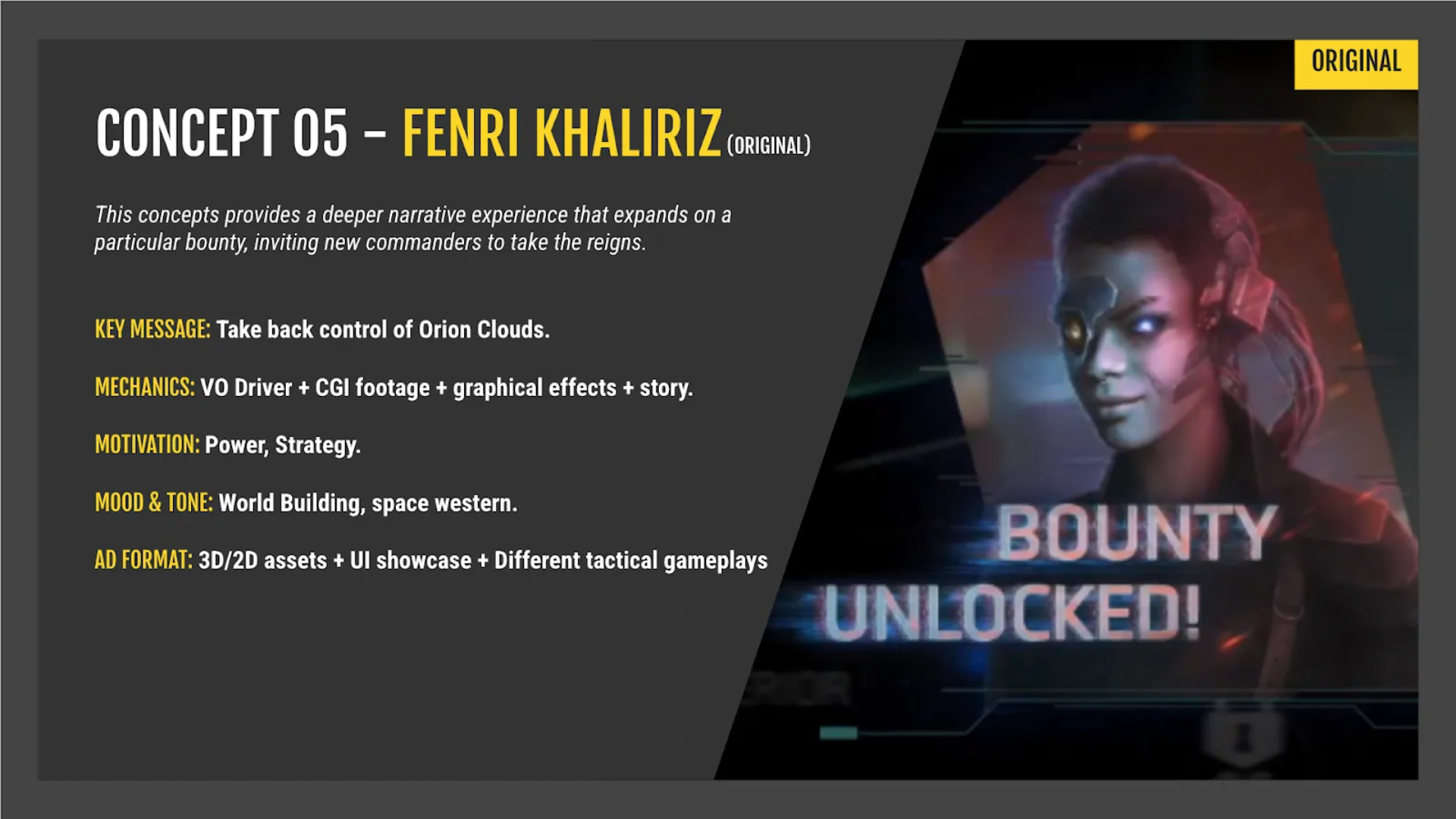
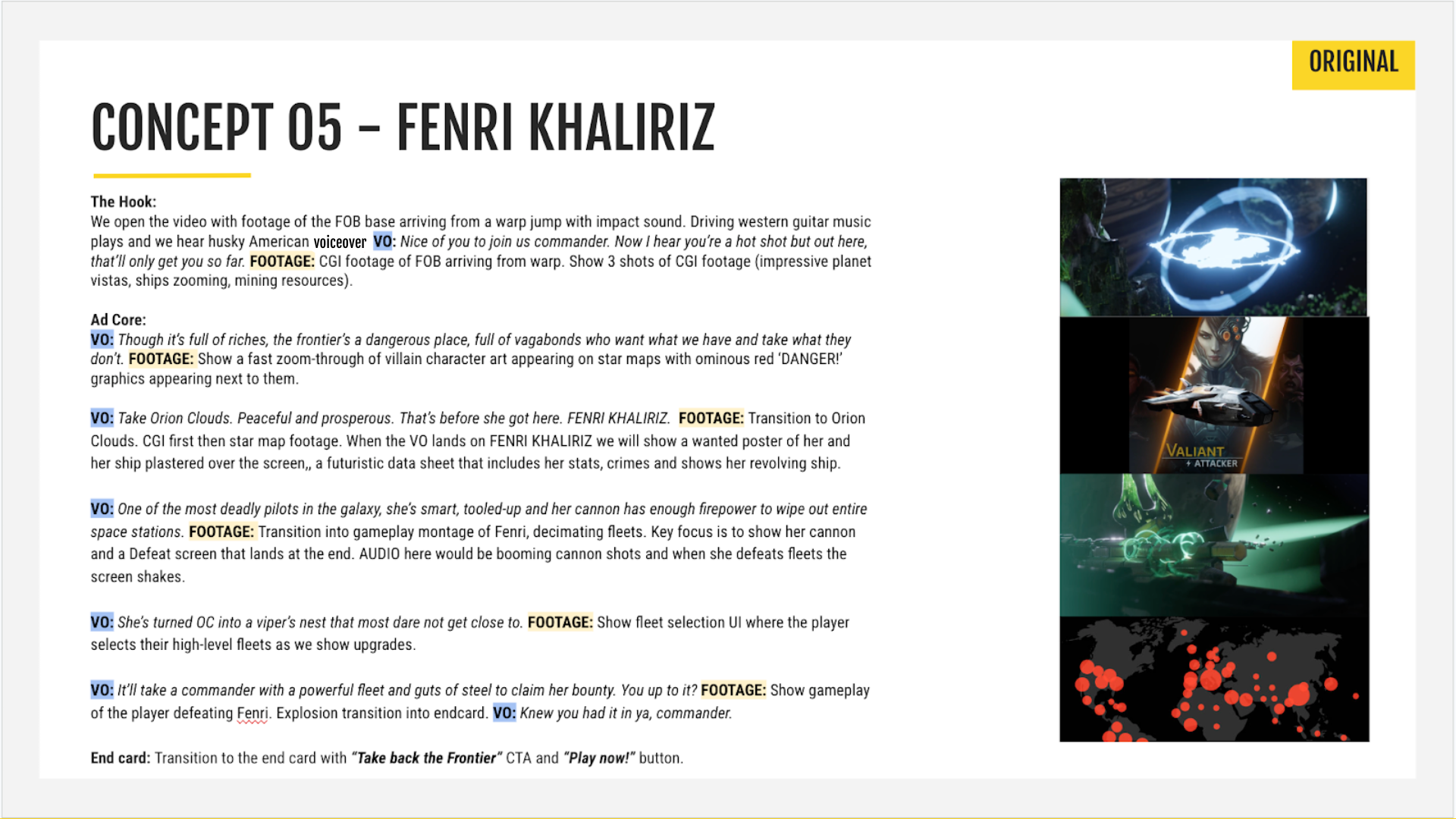
To balance a “big game” feel with strong UA performance, the AppAgent team drew inspiration from Destiny and Helldivers, incorporating their tone, humor, and visual style.
- “Join Up Now“ mirrored the Helldivers introduction (from 01:00 onward).
- Top performer “Galaxy Views“ took cues from Destiny 2’s loading screen.
AAA-inspired, story-driven creatives proved highly effective, yielding multiple high-performing formats—including 3D, 2D, UGC, and static assets—which enabled scalable iteration.
✍️ AppAgent’s Best Practice
Getting into the heads of your core players helps uncover what they like, enjoy, and appreciate. Research should explore their favorite TV shows, movies, characters, language, humor, and, of course, other games (PC, console, board) to draw inspiration.
By doing so, you’ll be able to expand creative variety and identify directions that hit the bullseye, allowing you to scale your campaigns.

Ágúst Kristinsson Art Director at Solid CloudsAppAgent quickly grasped our game’s essence and delivered creatives that resonated. Flexible, collaborative, and reliable, even with shifting timelines.
AppAgent’s Conclusion
Shifting to a creative style inspired by PC and non-mobile games proved to be a game-changer, reinforcing the importance of understanding the player mindset in UA campaigns.Successful user acquisition isn’t about replicating past wins—it’s about producing creatives that truly resonate with the audience. There’s no one-size-fits-all approach.
Appsampo’s Conclusion
Strong performance starts with the right creative foundation. Scaling it requires smart targeting, constant optimization, and agility. By combining data with creative intent, we were able to turn high-quality assets into measurable growth. There’s no shortcut – just consistent, focused execution.
Frequently Asked Questions
What was the main challenge Solid Clouds faced with Starborne: Frontiers?
Solid Clouds wanted to bring a deep, PC-style space strategy game to mobile, but the first challenge was translating that complexity into compelling UA creatives in a very competitive market. The team needed to highlight key elements—ships, captains, storyline, collection, strategy—without losing the “PC-game feel” that appealed to their hardcore audience.
How were responsibilities split between AppAgent and AppSampo?
AppAgent focused on creative strategy and production: defining messaging, identifying the right angles, and producing 3D, 2D, UGC, and static assets. AppSampo handled performance marketing execution—using those creatives in live campaigns, optimizing targeting and budgets, and driving ROAS-focused results. Together, this setup turned strong creatives into measurable growth.
Why didn’t the first batch of UA creatives work as expected?
The initial UA batch leaned on proven mobile performance techniques, but the casual mobile aesthetic clashed with Starborne: Frontiers’ core audience of hardcore strategy players coming from desktop platforms. In other words, the ads looked like “just another mobile game,” while the players expected a richer, more serious space strategy experience.
What changed when you moved to story-driven, “Space Cowboy” style creatives?
To better match player expectations, the team shifted to story-driven, voiceover-led creatives with a “Space Cowboy” tone, building on what had already worked in the global trailer. This approach put the lore, captains, and tactical depth front and center, making the game feel closer to a PC/console experience while still being optimized for mobile.
How did games like Destiny and Helldivers influence the final creatives?
To balance a “big game” feel with performance, AppAgent drew inspiration from Destiny and Helldivers – not by copying, but by borrowing tone, humor, and visual style. For example, “Join Up Now” mirrored the feel of the Helldivers intro, and the top performer “Galaxy Views” took cues from Destiny 2’s loading screen, helping Starborne sit naturally next to other high-end sci-fi titles in players’ minds.
What kinds of creative formats did you end up using?
The final creative mix included 3D, 2D, UGC, and static assets. This variety allowed the team to tell the game’s story in different ways, test multiple hooks, and then scale the formats that worked best. The result was a 14% win rate on creatives, with the best assets reaching 2.4x IPM above category benchmarks.
What impact did this creative strategy have on UA performance?
The combination of PC-inspired creative strategy and AppSampo’s performance execution led to meaningful results:
– A 14% creative win rate,
– Best-performing assets at 2.4x IPM above category benchmarks,
– Around 30% D7 ROAS, driven by efficient creative utilization and data-driven campaign optimization.
What can other PC or mid-core games learn from this project?
Starborne: Frontiers shows that bringing a PC experience to mobile requires more than just porting the game but demands a creative strategy that respects the audience’s expectations. For mid-core and PC-origin titles, leaning into AAA-inspired storytelling, an authentic tone, and player-centric references can outperform generic mobile styles, especially when paired with disciplined performance marketing.