About
Pixel Federation, the studio behind Puzzle Adventure, faced a critical question: after improving the game itself, could they also reverse a recent drop at the top of the funnel and bring in enough revenue to meet management’s expectations?
Recognizing the high-stakes implications of this process, they sought an outside perspective to guide their next steps. This was a one-off test with major business implications.
The Brief
AppAgent’s mission was to orchestrate a rebranding test for Puzzle Adventure by:
- Providing a strategic perspective to validate a rebrand approach.
- Developing new concepts to open distinct rebranding paths, grounded in market research and a deep audience analysis.
- Designing compelling creatives and using AI smartly to produce assets, ensuring the game’s presentation meets today’s high standards despite the lack of existing materials for the new brand.
Process
The process was a strategic, multi-stage approach designed to validate the viability of a rebrand before committing significant resources, powered by our new and specialized Brand GamePlan™️.
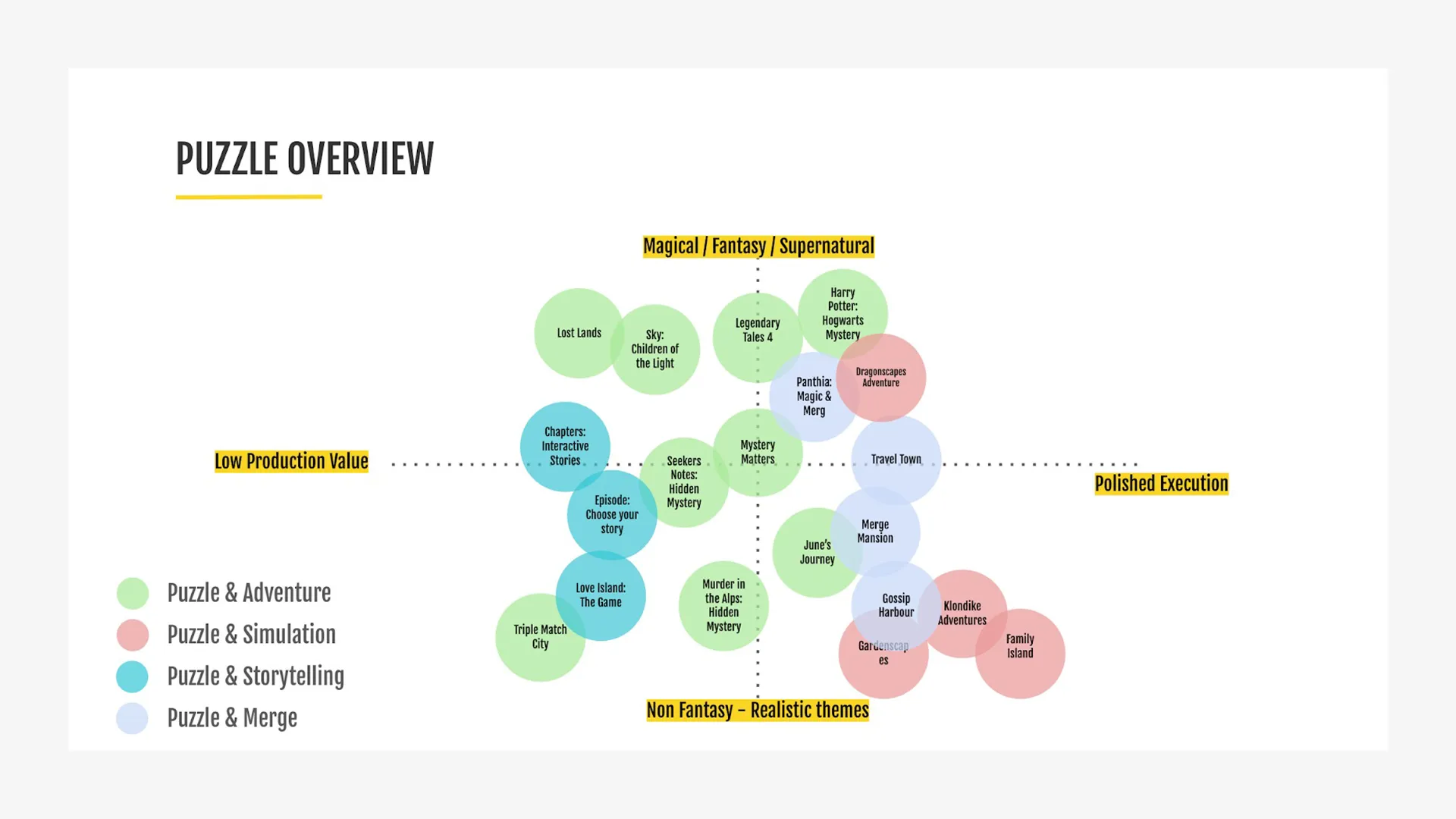
First, a comprehensive market scan and competitor analysis looking at themes and production quality of different genres like puzzle, adventure, simulation, and merge games, helped identify market gaps and opportunities.
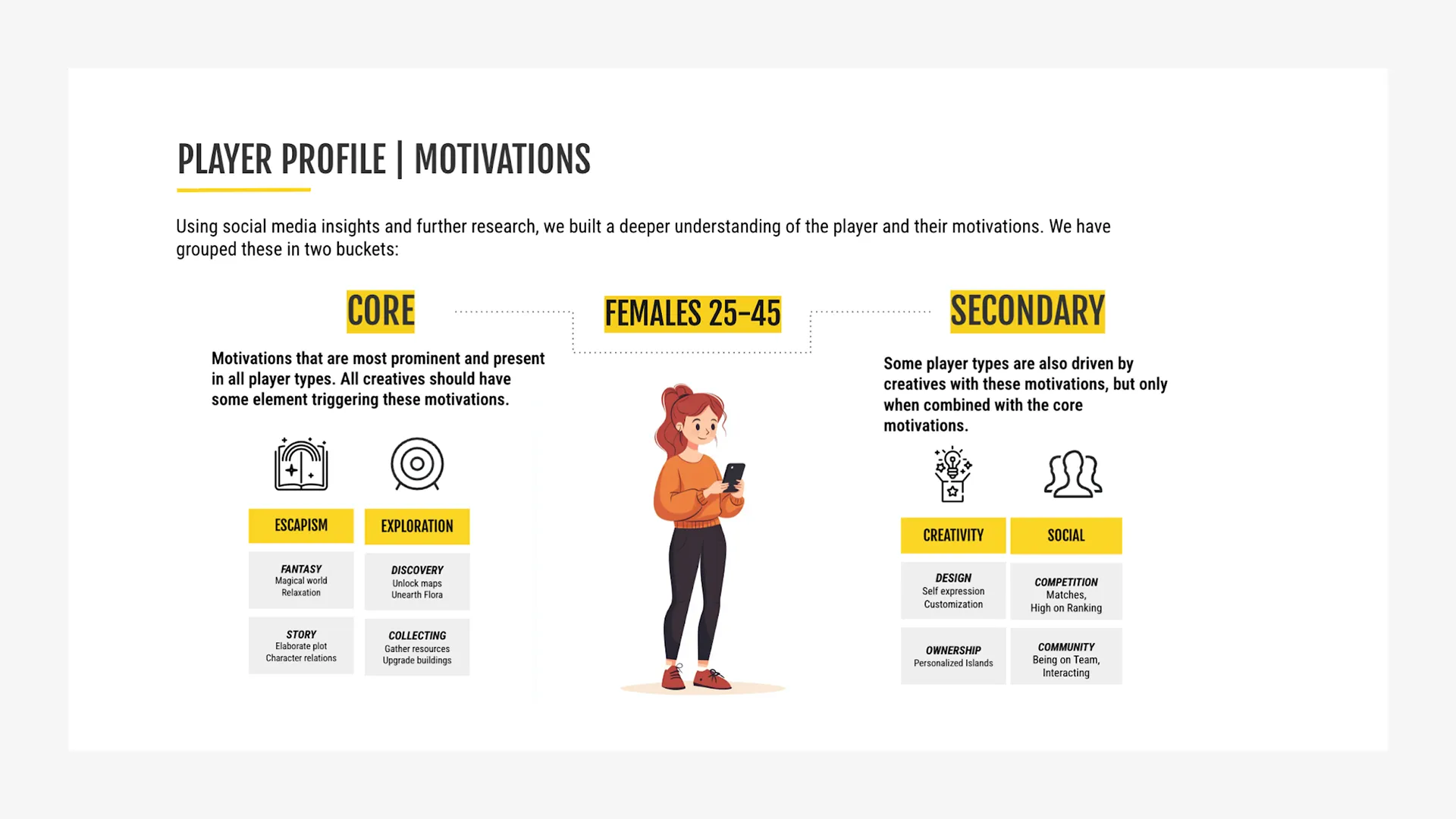
Concurrently, we performed a deep dive into the audience, identifying a potentially younger, millennial female demographic than initially targeted. A detailed player profile for this group, exploring their geographical and cultural preferences, led to a discovery of key insights and motivators for personalised targeting.
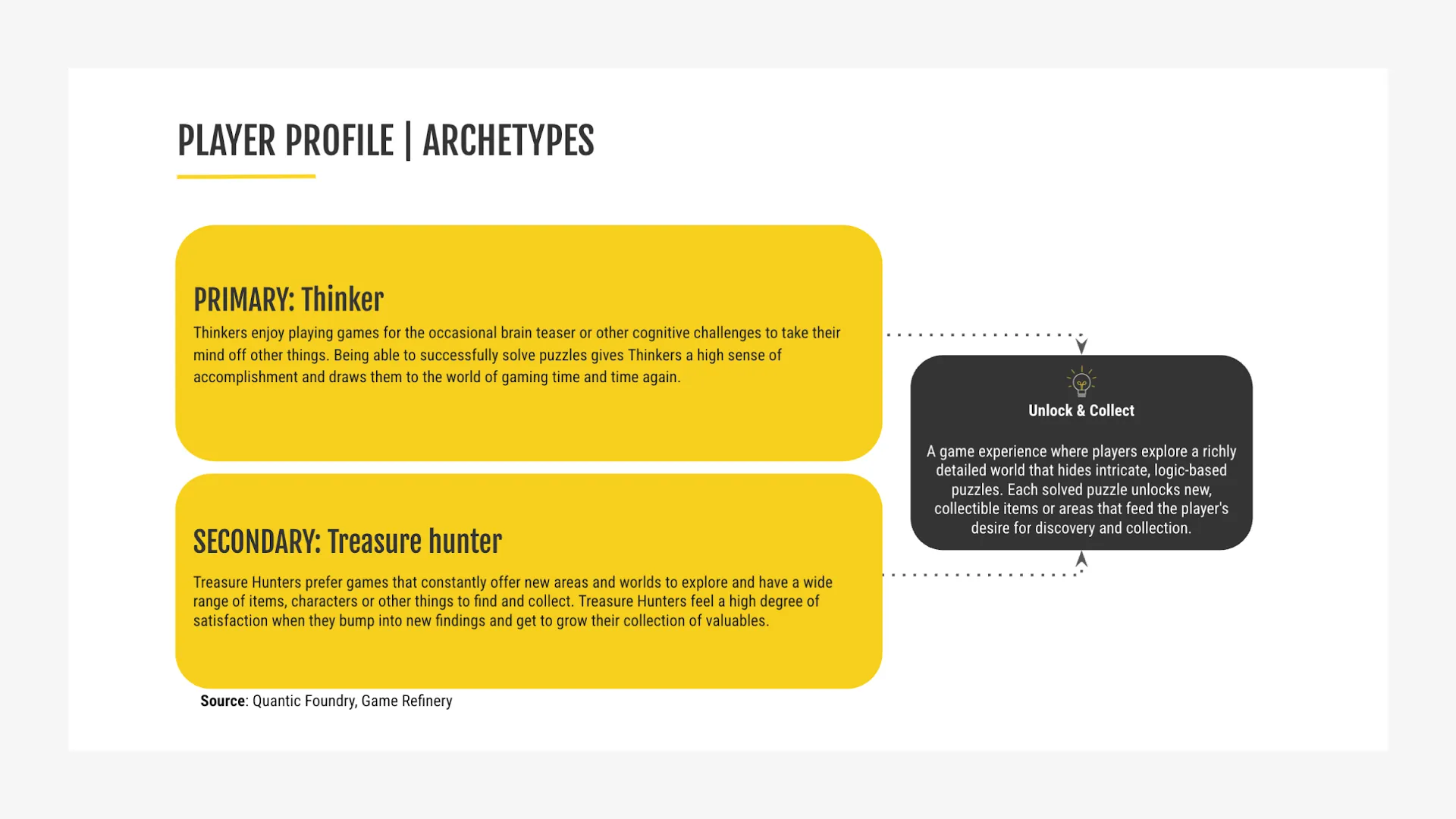
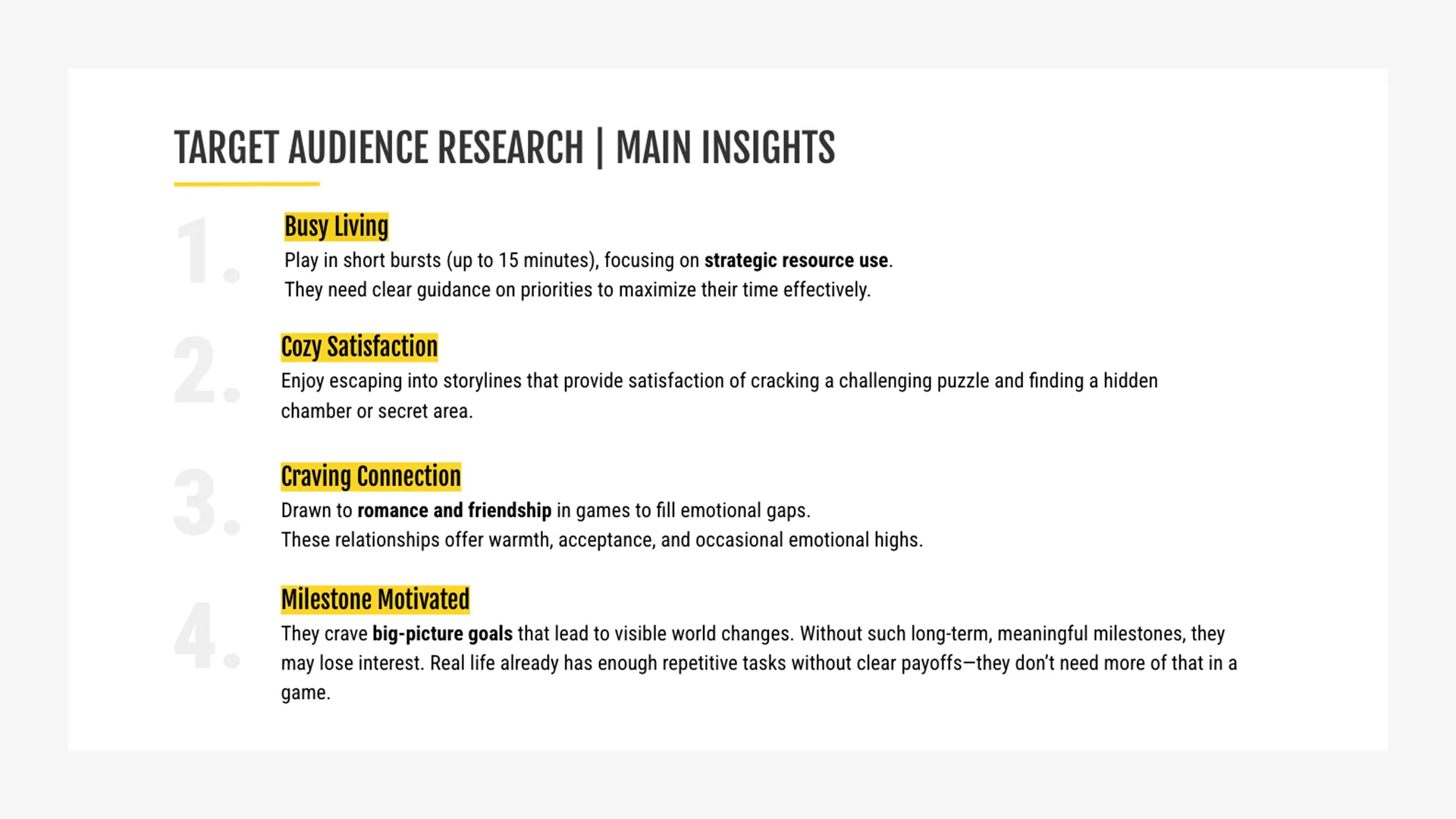
Based on our research and insights, we developed four distinct creative directions designed to resonate with the target audience.
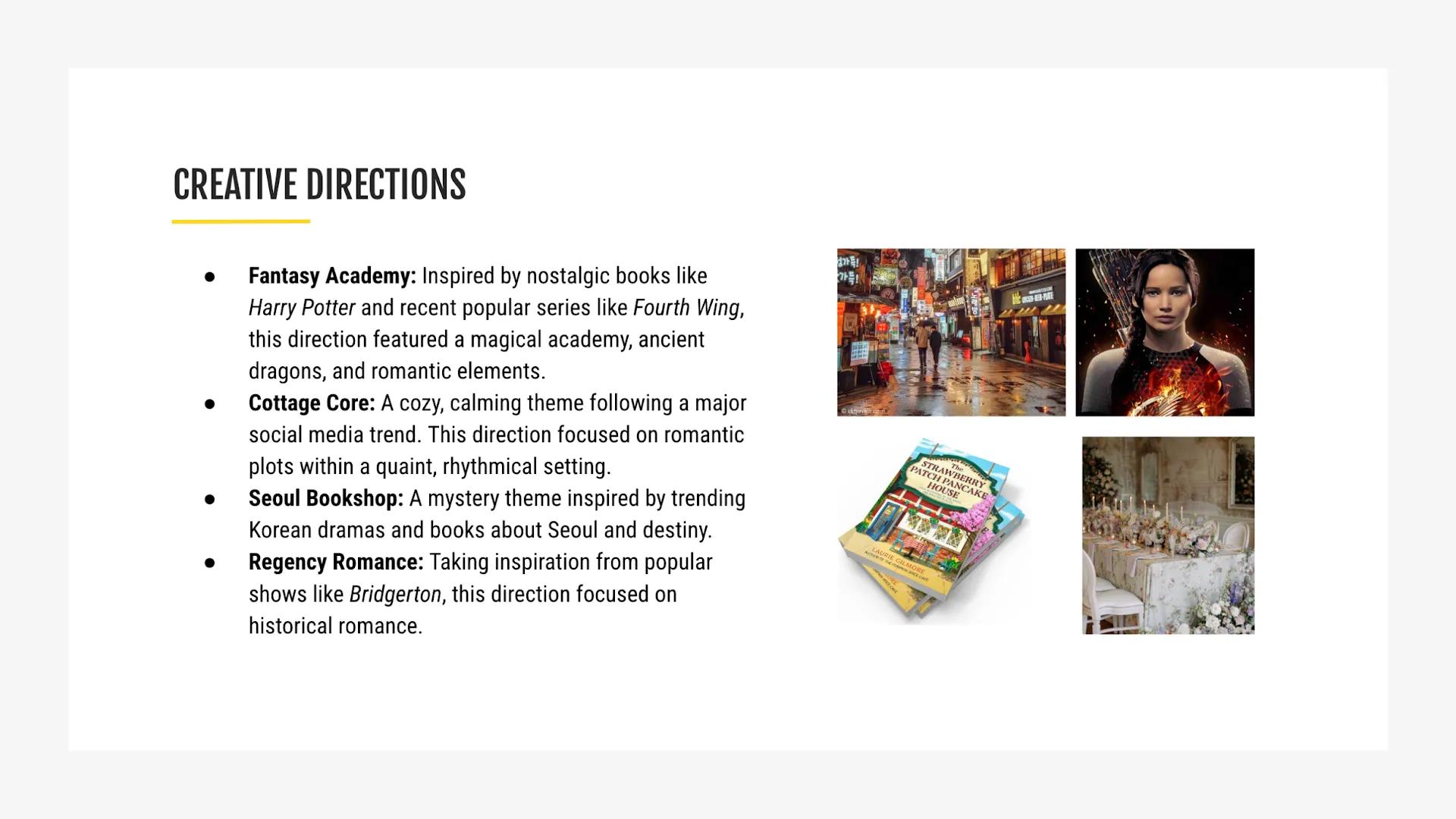
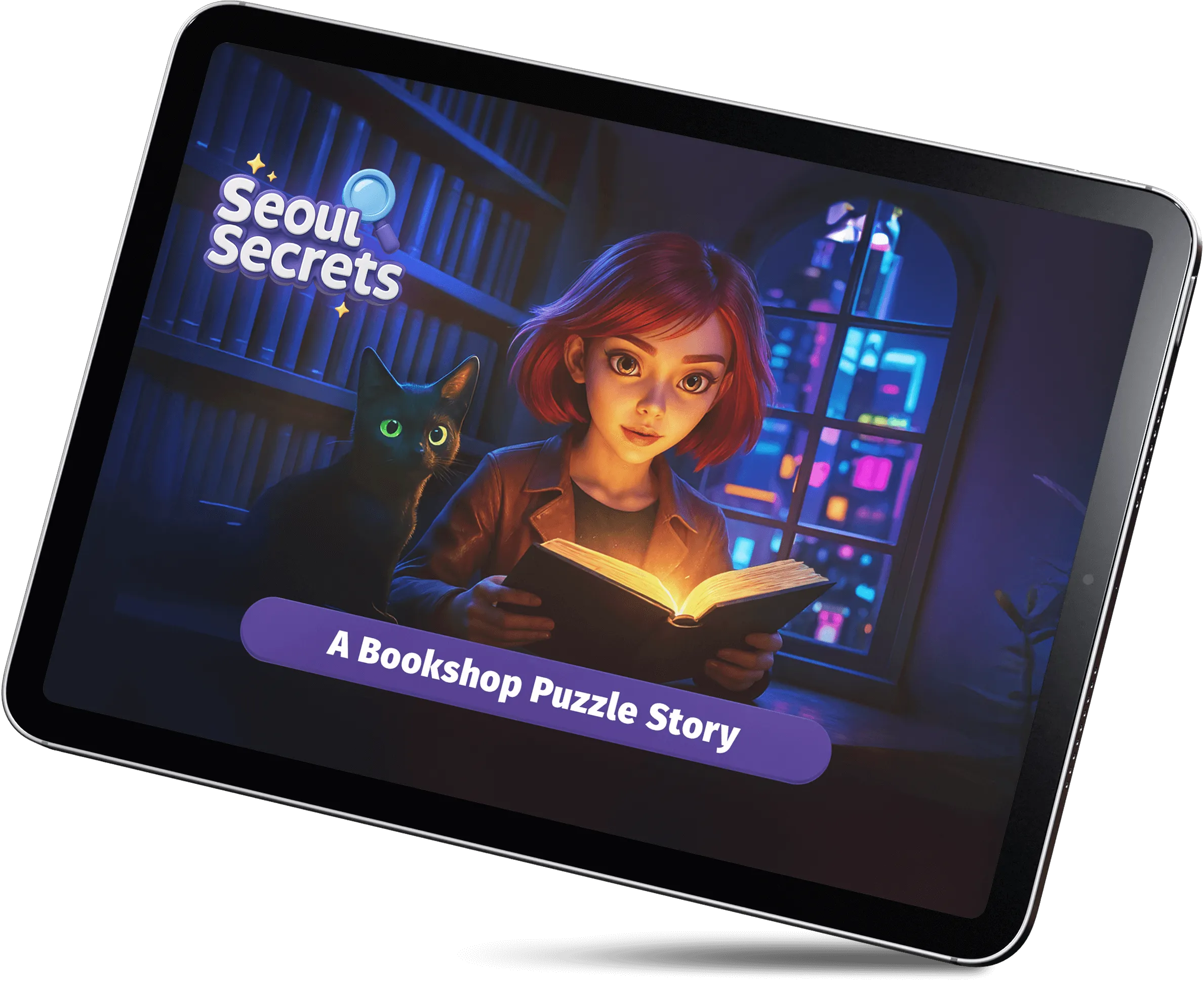
AppAgent’s team worked simultaneously with the client’s team to increase the chances of finding the optimal solution. Pixel Federation selected two of our creative directions to move forward with: Cottage Core and Seoul Bookshop, and tested them with another three developed internally.

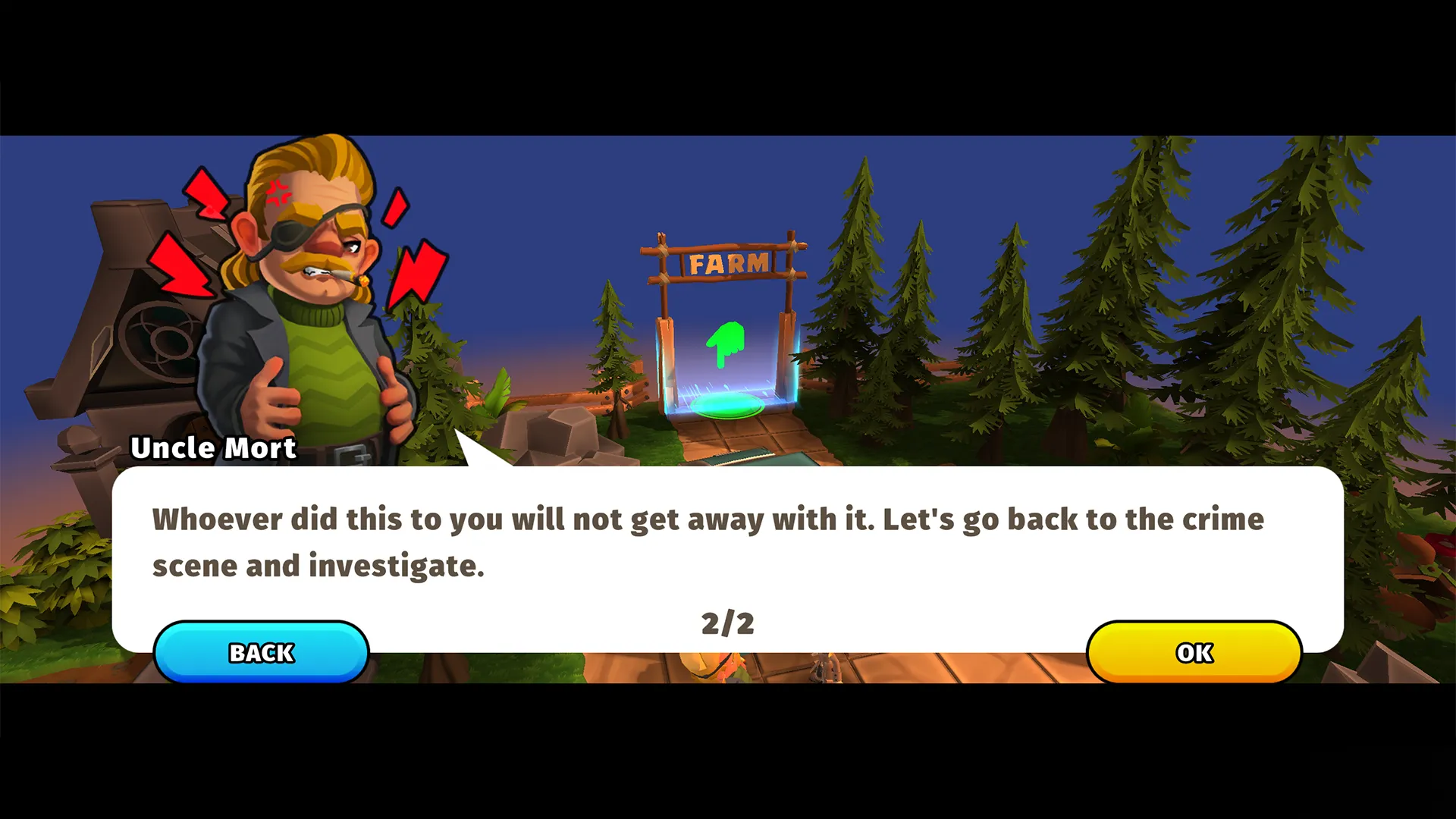
With very few existing assets for a rebrand, we then leveraged AI to efficiently generate new visuals during creative production & testing processes such as game logos, icons, store screenshots and video ads. AppAgent also designed new game mechanics and gameplay puzzles.
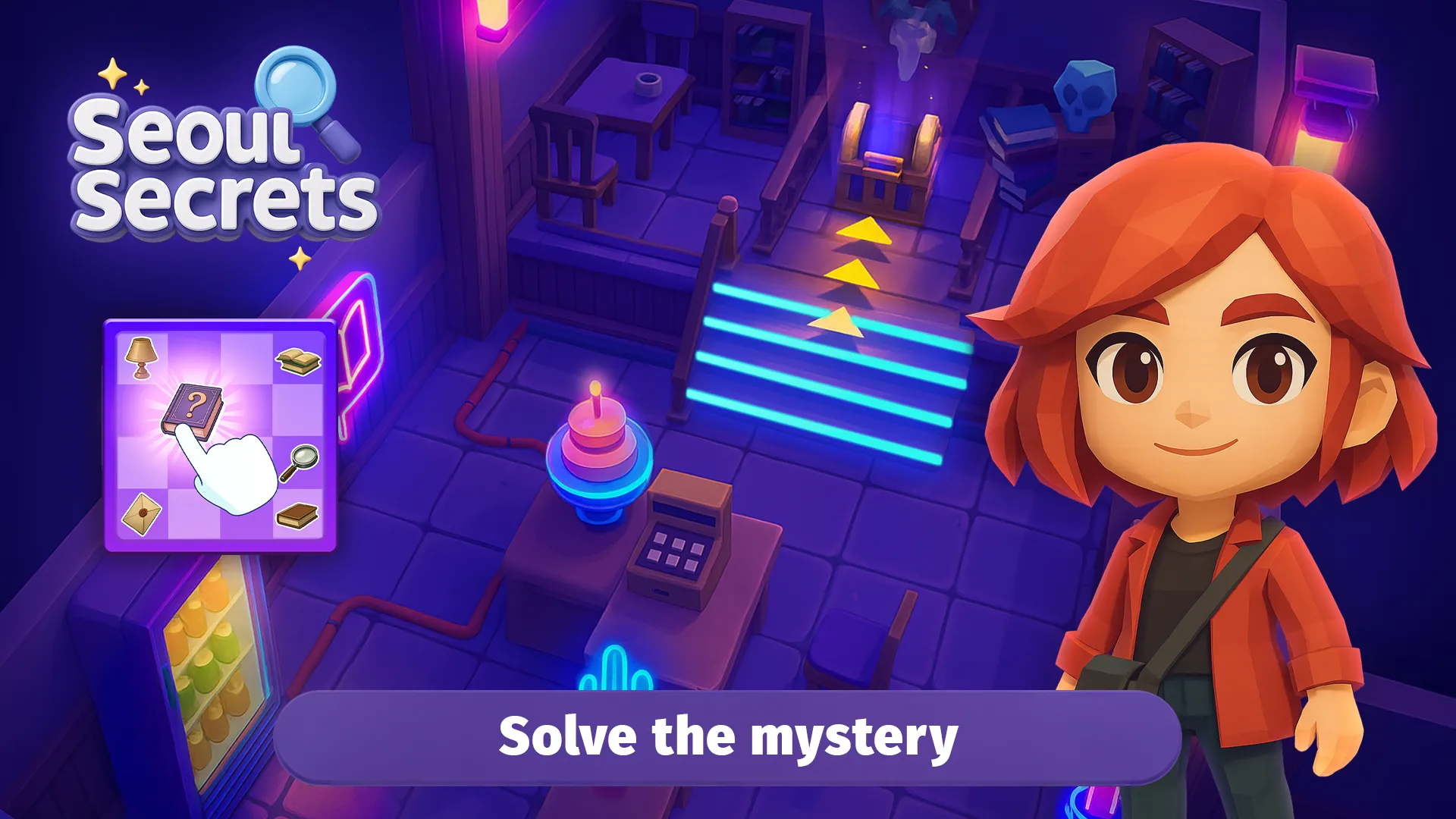
The test resulted in Seoul Bookshop concept successfully drawing the target audience by resonating with both young and older players and achieving a 38% improved IPM over the original. Another unexpected outcome was the improved early retention (up to D7) in AppLovin on Android for both the “Seoul Secrets” concept and Pixel Federation’s creatives. This was surprising, as only the creative and store assets were changed without any alterations to the game itself.


Martin Gallo UA ManagerThis was first-time working with AppAgent and I must say although there was a minor delay in delivery due to current challenges of AI tools, the overall cooperation was very creative, professional and enriching. I can totally see us going back to AppAgent when it’s time to rebrand again.
AppAgent’s Conclusion
“Although the management team of Pixel Federation ultimately decided to reallocate resources to the newly released Trainstation 3 which demonstrated massive potential for the company, the rebrand test showed measurable uplift in main KPIs. The new positioning and expanded audience proved an increased revenue potential, proving the strategic value of the Brand GamePlan™️.”
Frequently Asked Questions
Why was Pixel Federation considering a rebrand for Puzzle Adventure in the first place?
After improving the game itself, Pixel Federation still saw a drop at the top of the funnel and needed to know whether a rebrand could help bring in enough revenue to meet management’s expectations. Because of the high-stakes implications, they treated this as a one-off rebranding test with major business impact, rather than a cosmetic refresh.
How did AppAgent manage the risk of a high-stakes rebranding test?
Using the Brand GamePlan™ framework, we treated it as a tightly focused marketability test. We validated audience insights and tested new creative directions in live campaigns using AI-generated assets, entirely avoiding the massive cost of altering the actual game upfront.
What is Brand GamePlan™ and how was it used for Puzzle Adventure?
Brand GamePlan™ is AppAgent’s specialized strategic framework for brand and positioning work. For Puzzle Adventure, it powered a multi-stage process designed to validate the viability of a rebrand before committing significant resources. This included market and competitor analysis, deep audience research, new creative directions, and performance testing of those directions in live campaigns.
How long does it take to execute a marketability test for a mobile game?
The initial strategy phase typically takes 2–3 weeks. Concepting store and ad creatives that reflect the new positioning is completed within another 2 weeks. Asset production, supported by generative AI, takes around 2 weeks as well.
The testing phase usually runs for 2–4 weeks on one or two ad networks. The final report showcasing the performance of new directions compared to the original is delivered approximately 8–10 weeks from the start.
How did AppAgent identify a new audience opportunity for Puzzle Adventure?
Alongside the market scan, AppAgent performed a deep dive into the audience and discovered a potentially younger, millennial female demographic than originally targeted. A detailed player profile—covering geographical and cultural preferences—helped surface key insights and motivators that could be used for more personalised creative and positioning.
What were the rebranding concepts, and how were they tested?
Based on research and insights, AppAgent developed four distinct creative directions aimed at the newly identified audience. Working in parallel with Pixel Federation’s internal team, two of these directions—Cottage Core and Seoul Bookshop—were selected for testing, alongside three concepts created internally. This setup increased the chances of finding an optimal solution while keeping the test tightly focused.
How was AI used in the creative production for the rebrand test?
Because there were very few existing assets for a full rebrand, AppAgent leveraged AI to efficiently generate new visuals during the creative production and testing phase. AI was used to create game logos, icons, store screenshots, and video ad assets, ensuring Puzzle Adventure’s new presentation could meet modern quality standards despite starting from a limited asset base.
Did AppAgent also influence the game content itself, or only the marketing?
In addition to marketing assets, AppAgent designed new game mechanics and gameplay puzzles to support the rebrand concepts. However, during the test that delivered the uplift, only the creative and store assets were changed—the game itself was not altered—making the performance improvements directly attributable to the new positioning and visuals.
What were the main performance results of the rebrand test?
The Seoul Bookshop concept successfully attracted the target audience and delivered a 38% increase in iOS IPM compared to the original. On Android, AppLovin campaigns showed a 20% decrease in CPI and improved early retention (up to D7) for both the “Seoul Secrets” concept and Pixel Federation’s own creatives—even though only creative and store assets had changed.
If the results were positive, why wasn’t the rebrand fully rolled out?
Despite the measurable uplift in key KPIs and proof of increased revenue potential from the new positioning and expanded audience, Pixel Federation’s management decided to reallocate resources to Trainstation 3, a newly released title with massive potential. The rebrand test still validated the strategic value of Brand GamePlan™, even though the company chose to focus its investments elsewhere.
How do you decide whether a mobile game needs a full rebrand or just better creatives?
If a game has improved its core mechanics but still faces top-of-funnel drop-offs, a rebrand might be necessary. Running a targeted marketability test with new visual positionings can prove if a different, more profitable audience exists before you commit to a full product overhaul.