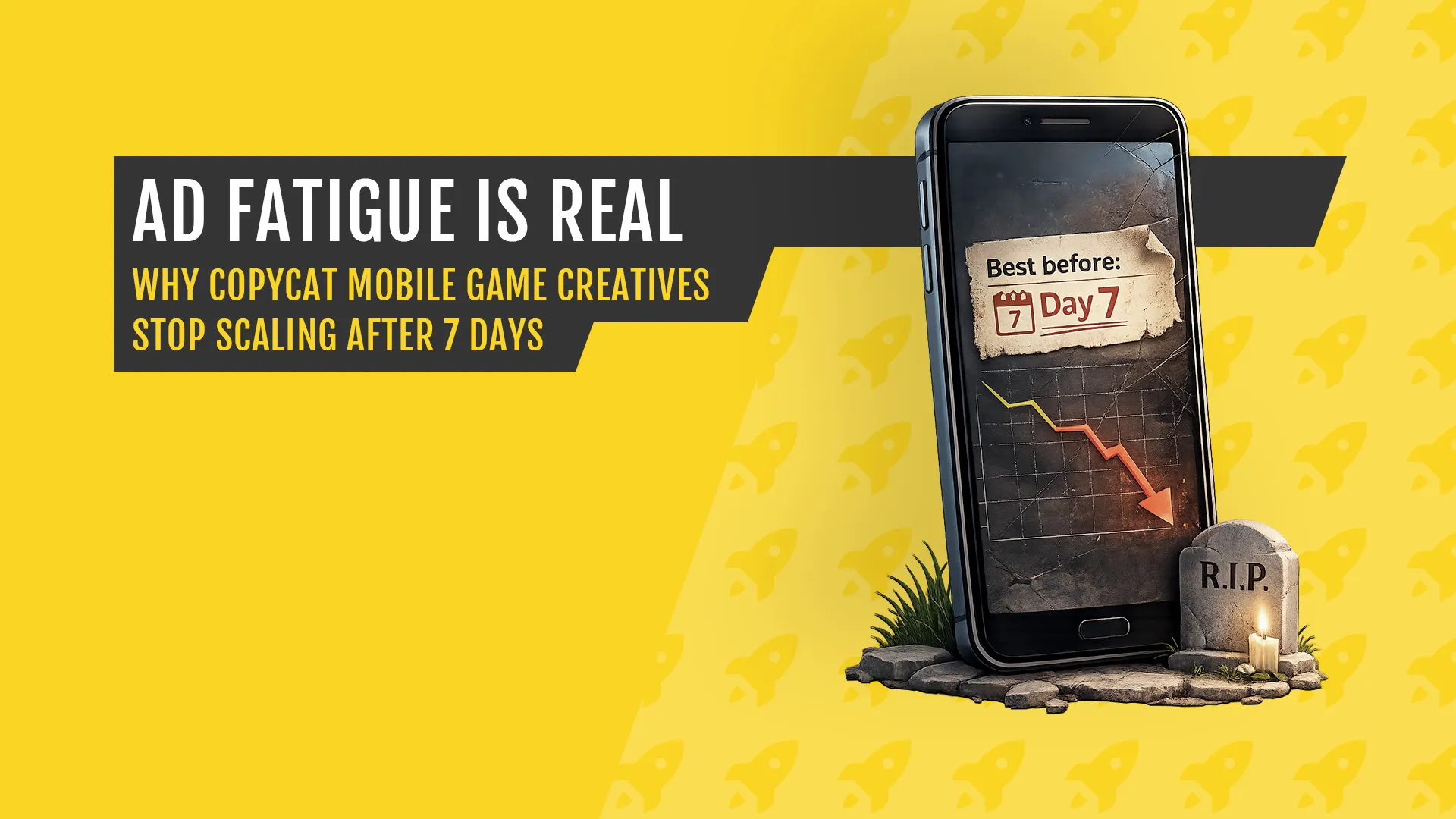
Ad fatigue in mobile game creatives often kicks in by day 7. A concept works, competitors copy it, the same visual language floods the market, and suddenly even strong creatives stop scaling.
This is how ad fatigue shows up in mobile game creatives: not because the idea was weak, but because the market gets flooded with near-identical executions.
Upcoming event
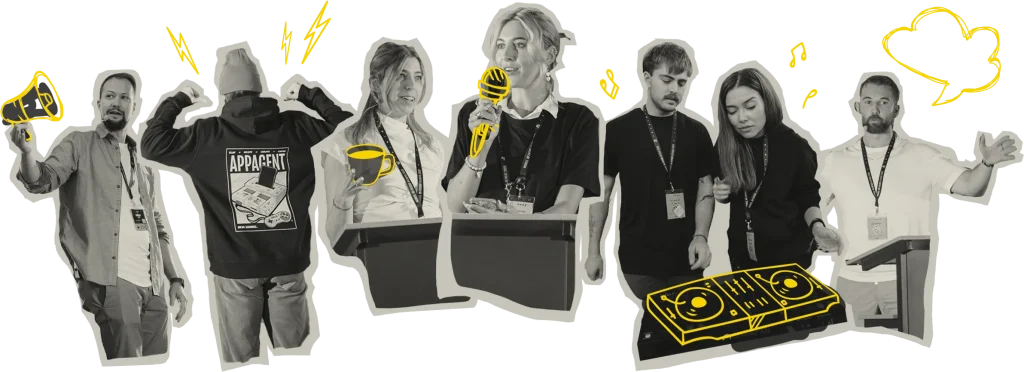
Alex Pulinets, the author of this post, is also one of the speakers at the upcoming Mobile Ad Eaters Retreat, the first event dedicated entirely to creative in mobile gaming.
The Mobile Ad Eaters Retreat is an intimate gathering of creative and performance leaders from mobile game studios. It’s designed not as a typical conference, but as a retreat where conversations about AI, storytelling, creative testing, and real industry challenges can take place openly.
Around 90% of attendees are game publishers, and all participants are carefully curated to keep the discussions highly relevant.
Join 150 CMOs, creative strategists, and producers looking to sharpen their creative strategy, operations, and AI workflows.
Register your interest at:
www.mobileadeaters.com
Before we start, let’s play a fun game.
Try to guess which mobile puzzle game each board belongs to:
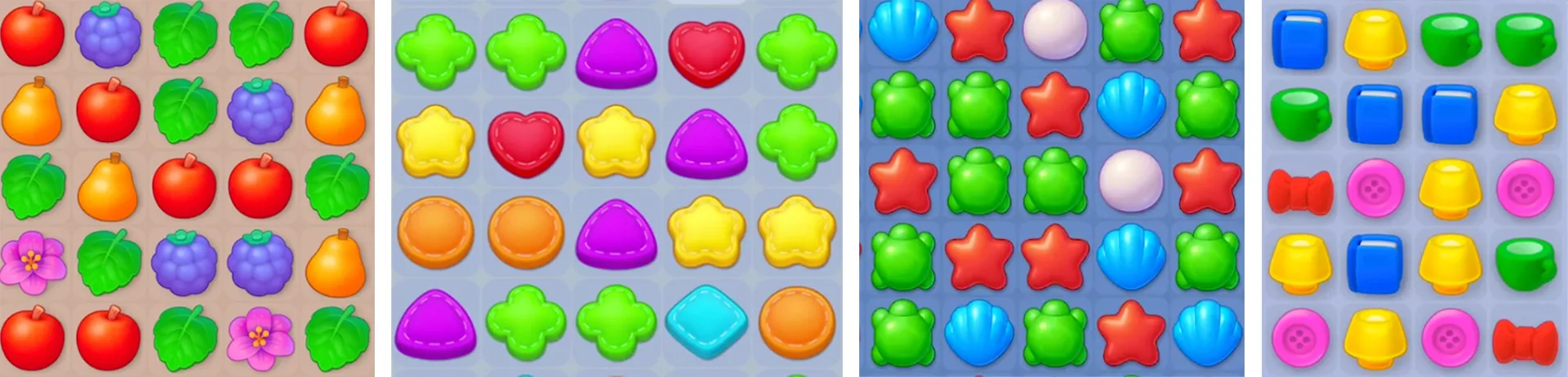
I’m sure you spotted some Playrix titles. You might even be able to name one or two, but it probably took a second.
(Answers: Gardenscapes, Project Makeover, Fishdom, Homescapes.)
Okay, round two:
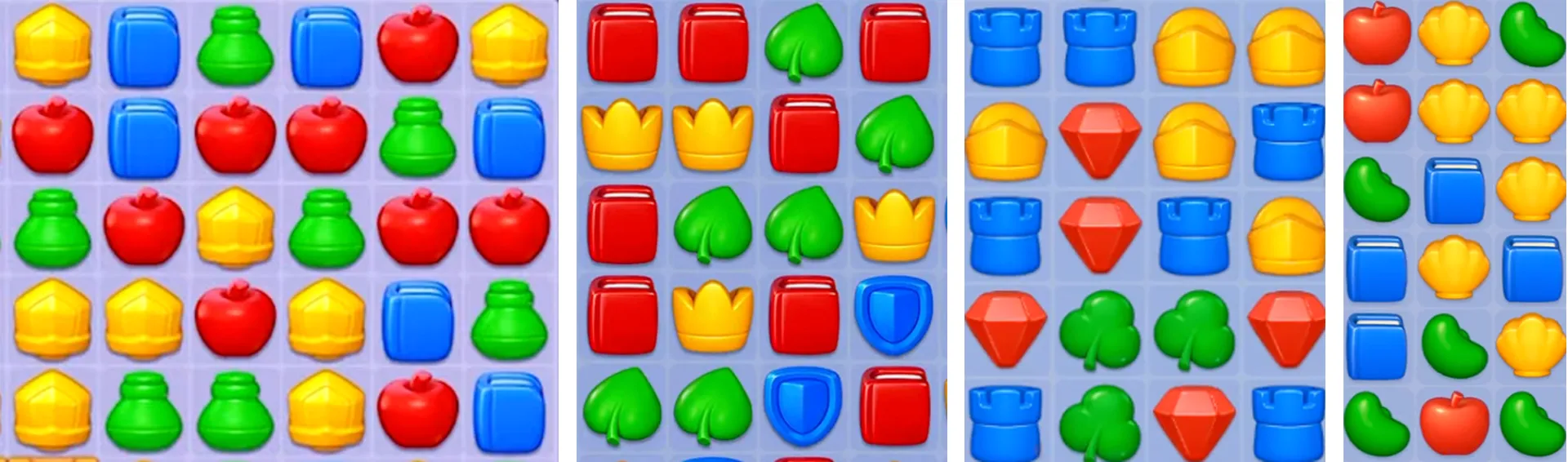
Aren’t those all Royal Match?
Not quite. They’re Match Villains, Royal Match, Royal Kingdom, and Matching Story.
But notice what happened the moment you saw those boards. Something immediately crossed your mind — you instinctively associated them with one specific game.
That’s brand power: when even copycat designs make people think of you.
The same thing happens in ads. One company lands a winning plot + visual formula, aaaaand…
In mobile game creatives, that kind of repetition creates creative fatigue fast, especially when multiple studios start using the same hook, scene structure, and visual cues.
Don’t get me wrong — I’m not saying it’s bad. If it works, it works. Each of these ads has millions of impressions, according to AppMagic.
But why do we always call them “Save the King” ads? Is it just because Royal Match was the first to push the idea, or is there something else going on?
The King’s Brand
Dream Games has a dedicated Royal Match branding page — and it basically gives away the clues for why these ads fit them so naturally… and why they fit everyone else much less:
– King Robert’s personality.
That difference is crucial when you’re trying to avoid ad fatigue in mobile game ads: the more naturally a concept fits the game world, the longer it can stay effective.
“King Robert is not your typical ruler. Exuberant, creative, and carefree, he turns every day into a new adventure. “
And this directly translates to how he’s portrayed.
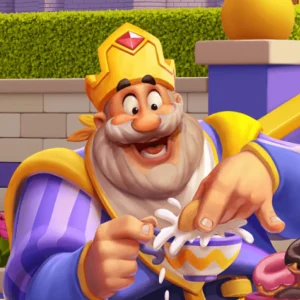
Here, he doesn’t care about the spilled milk or royal etiquette. He’s fully focused on enjoying the cookie with milk.
Ad translation: Low awareness of surroundings → Notices danger too late.
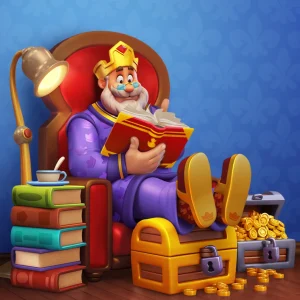
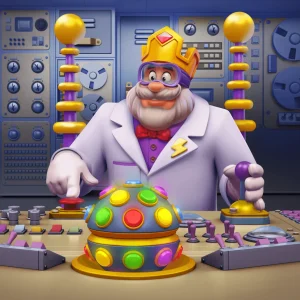
At the same time, he’s not dumb. He develops boosters for the board himself, reads a lot, and invests in building a full museum inside his castle.
Ad translation: He knows what will save him, but he needs your help to execute it. Robert reacts when you (the viewer) and the finger pointer make the wrong moves. He looks disappointed because he’s actively relying on you — and he knows he won’t survive without help.
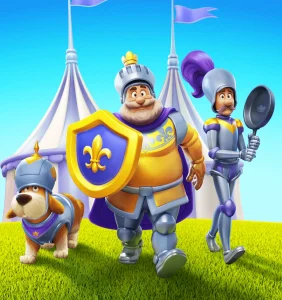
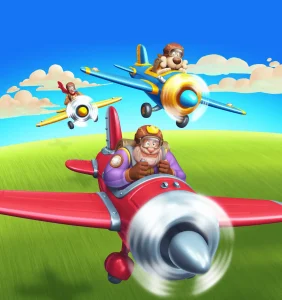
He’s also extremely brave, curious, strong, and capable. He has a pilot’s license, he can navigate a ship, he can go to space.
Ad translation: He ends up in dangerous places because of his curiosity (including pits with giant snakes). Imagine how brave you have to be to launch yourself with a giant slingshot.
When you take all of this into account, it’s not just clear why these ads fit Royal Match so perfectly — it also makes it easy to come up with new ideas that still feel organic to the brand and its characters.
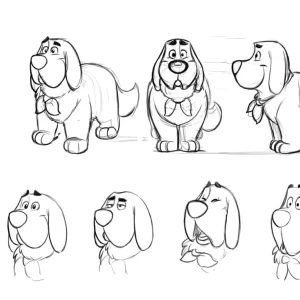
New ideas with Duke
“Duke is the beloved four-legged member of the royal household and King Robert’s most loyal companion. Duke’s adventurous spirit perfectly complements Robert’s love for exploration, making them the ideal pair.”
Ad angles:
- Duke saves the King
- King saves Duke
- Friendly competition
- Duke dragging the King into danger
- Duke and the Kind body-swap
All of these angles fit into this world.
Why doesn’t it work as well for others?
Because the characters feel unnatural in the situations you force them into.
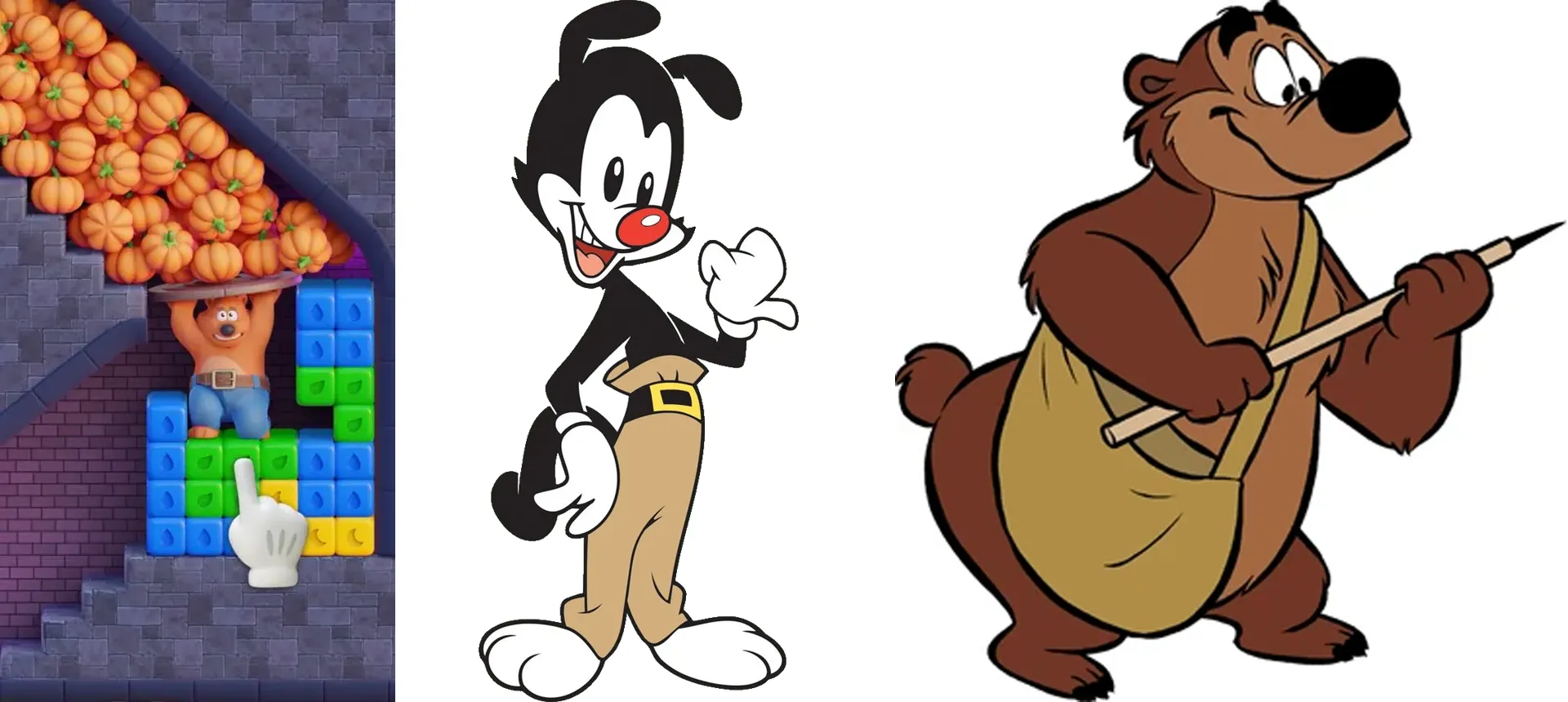
Bruno Bear, for example, is styled like a classic Disney or Warner Bros. cartoon character.
If we stick to this cartoon design style and follow the logic that comes with it, the ads that truly fit Bruno look very different from the usual “Save Him” scenarios.
1. Escalating physical gags (not “Save Him”, but “He’ll Survive”)
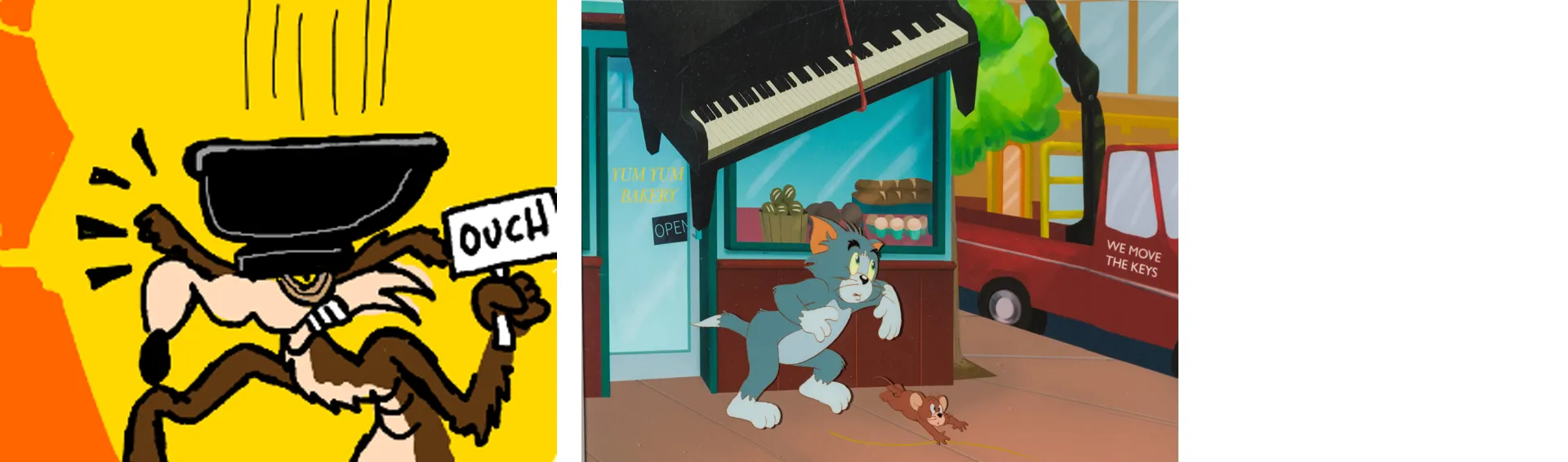
2. Being very food motivated (including being chased or stung by bees)
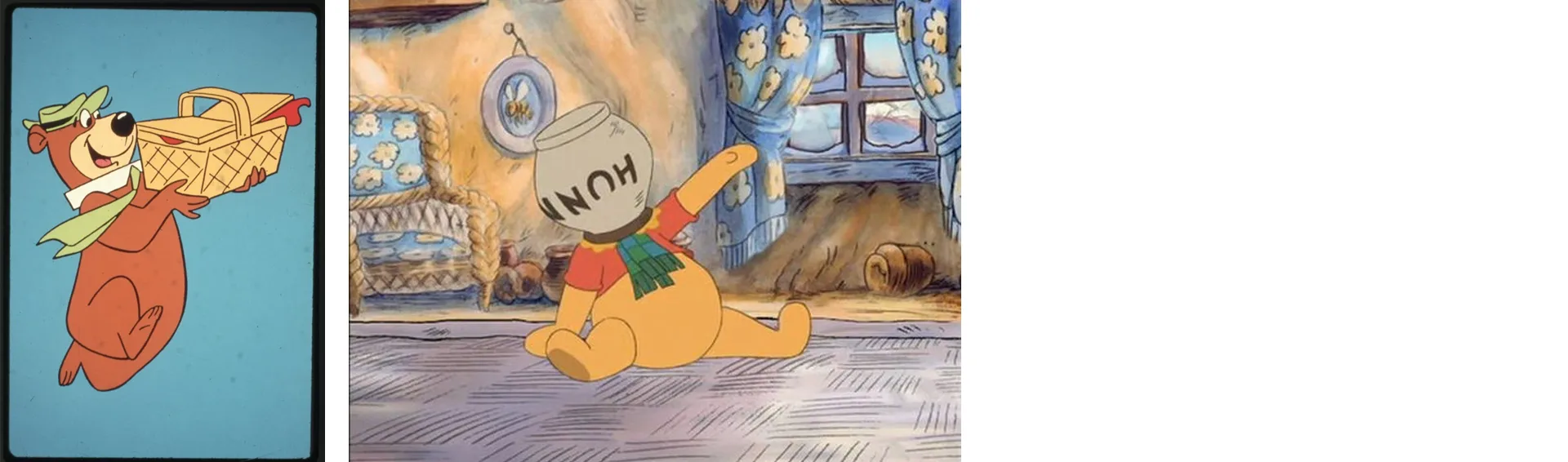
3. Embarrassment comedy
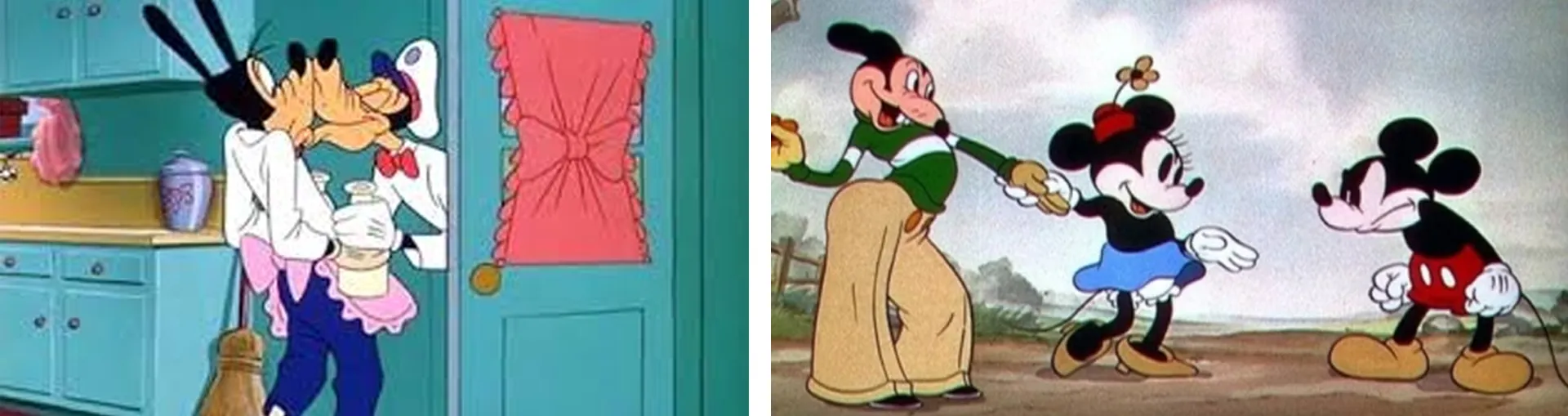
4. Competing with natural rivals
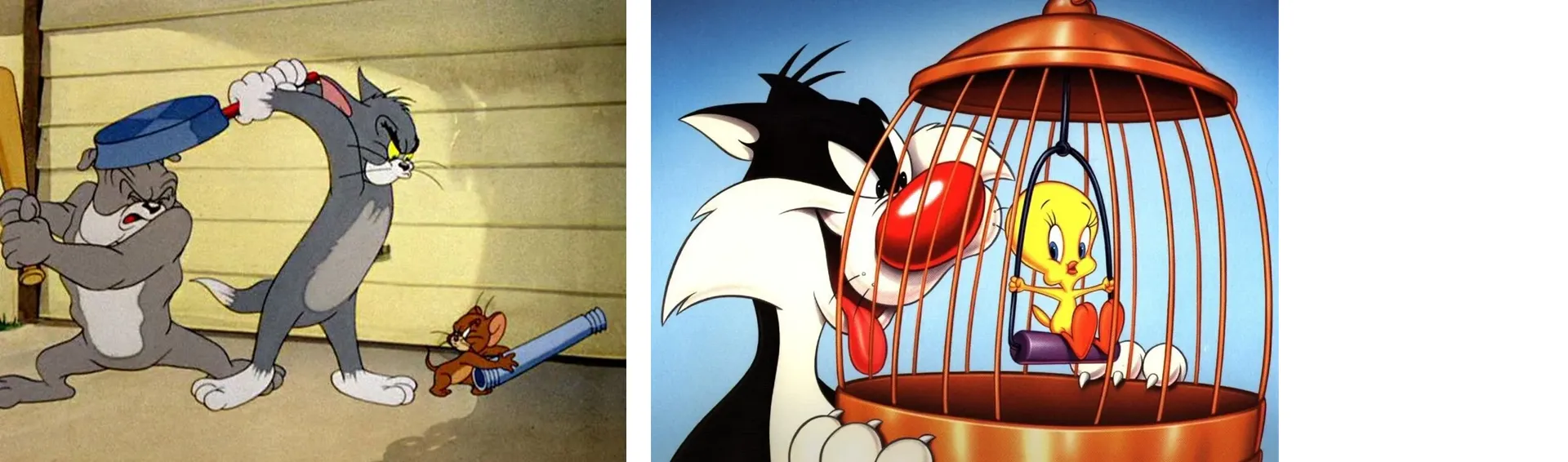
Bruno is big and strong, but also soft and kind. Bruno is not fragile. He’s a durable emotional reactor in absurd situations.
He’s the bear who gets flattened and then pops back up, surprised by what just happened. There are no real stakes — and that’s the point.
What About Match Villains?
This might be a bold take, but I don’t think the “Save the King” situation fully fits them either.
They perform better than most copycats because the character essence is closer to the trope, but it’s still not a perfect match.
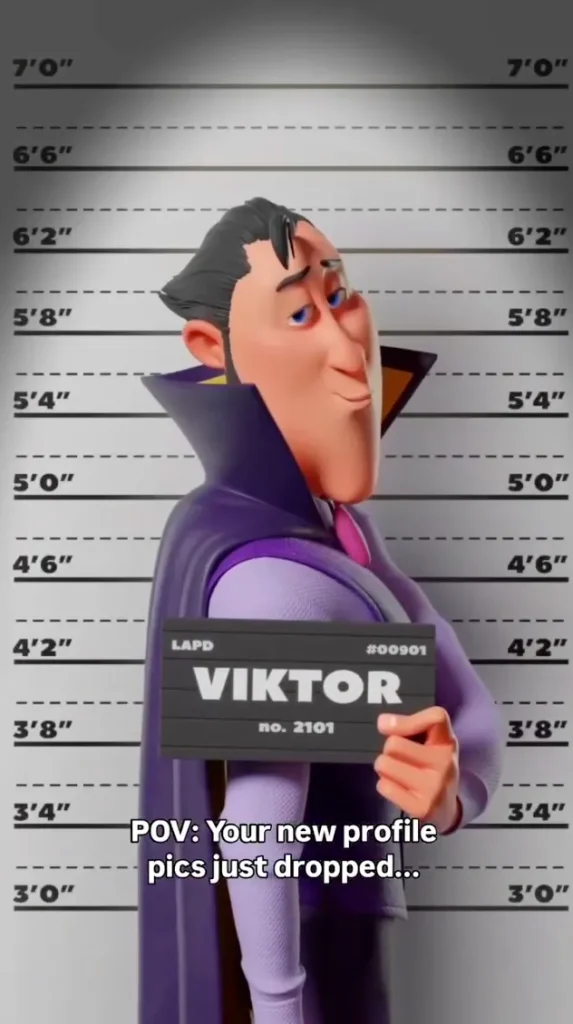
Let’s look at how they present their main character, The Count, in cinematics. Viktor is super confident, a little smug, and extremely competent.
Viktor can escape any situation in dozens of ways. His ability to escape even the inescapable is basically his defining trait.
So the question becomes obvious: does he really need our help?
What would work better for The Count (and the brand behind him):
1. “Sabotage him” (Villain vs. Player)
If the character is smug, flip the dynamic. Instead of helping him succeed, the player tries to ruin his perfect escape. The pleasure comes from watching him adapt, not from saving him.
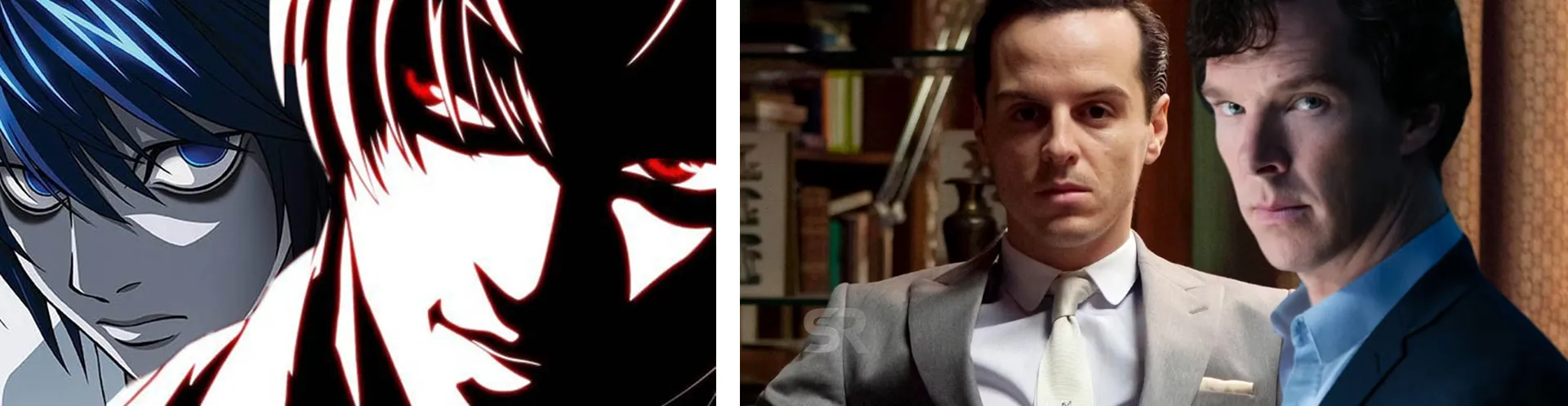
2. Smug in danger (relaxed while everything burns)
Even when he’s in danger, he stays completely calm and in control. The surprise for the viewer isn’t whether he survives — it’s realizing how many steps ahead he was the entire time. Even being trapped fits perfectly into his bigger plan.
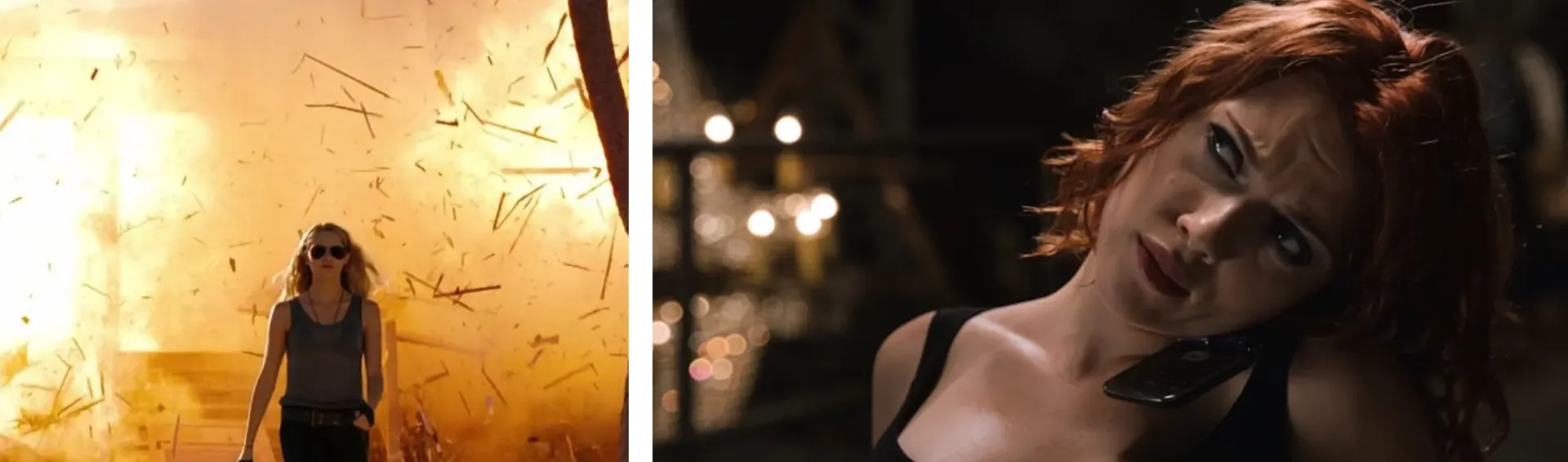
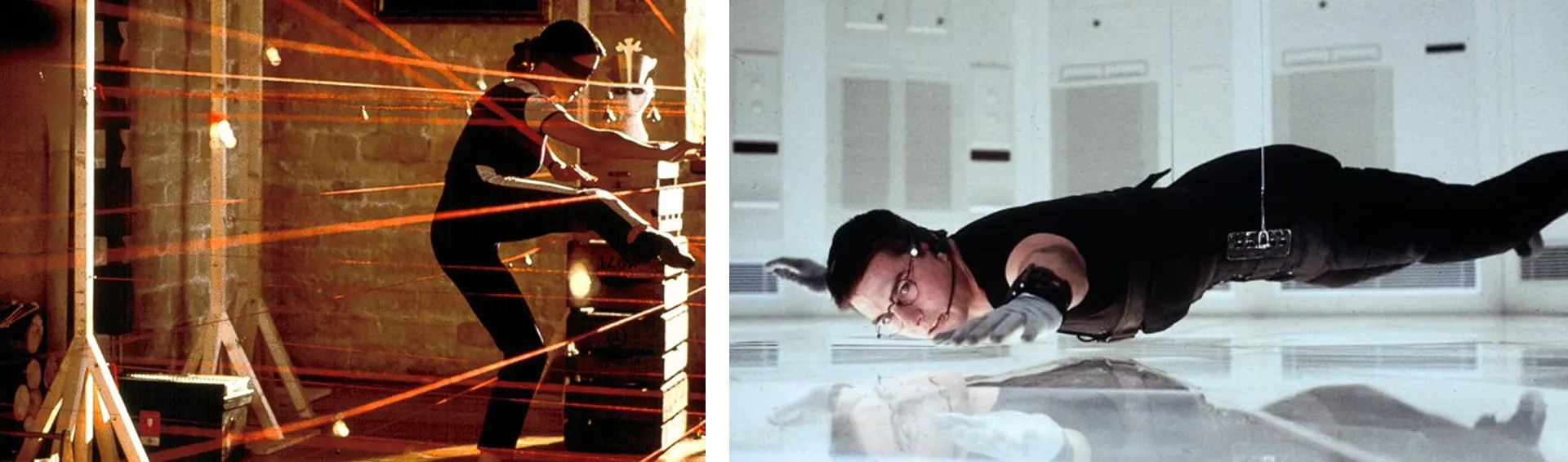
3. Heist-ified traps
If the characters are robbing banks and museums, the danger should always be directly tied to the goal. Once the end goal is clear, the danger makes sense. We now understand why we’re going through all of these obstacles.
Same Trope, Different Fit
For this one repeatable ad trope, we get very different results depending on character and world.
| Element | 🟢 Royal Match (Perfect Fit) | 🟡 Match Villains (Partial Fit) | 🔴 Toon Blast (Doesn’t Fit) |
|---|---|---|---|
| Character Vulnerability | King is distractible & overly curious → ends up in danger naturally | Count is hyper-competent & smug → danger feels artificial | Bruno is cartoon-durable → danger has no stakes |
| Needs Player Help? | Yes. He knows the solution but can’t execute it alone → invites help | Not really. He escapes everything effortlessly → help undermines him | No. Cartoon logic = he survives anyway |
| Brand Consistency | Entire world built around King & his adventures | Heist includes traps, but the villains can solve them themselves | Danger doesn’t feel cartoonish enough |
Recognizable Brand = Worldbuilding
This doesn’t mean you shouldn’t repeat successful competitor ad tropes. But it does mean you should ask yourself a few questions first: Does this fit our game world? Could our characters realistically end up in this situation?
If the answer is no, the follow-up question becomes: how can we tweak the idea, using the same emotional motivators, to make the trope work for us?
Examples of Strong Ad-to-Brand Match
Whiteout Survival
Core concept: Conveyor ad
Concept adaptation: Focus on winter survival. Snow, salmon as food, winter clothing. Same character across multiple ads, reinforcing identity.
Rise of Kingdoms
Core concept: AI walking ad
Concept adaptation: Use troop types that are already popular within the community. Add a historical, documentary-like tone.
AFK Journey
Core concept: Cozy / relax ad
Concept adaptation: Base it on the game’s existing cute art style and show exploration through different biomes rather than inventing a new fantasy.
Same Idea, Different Ad
You’re no longer just competing with your own ads — the way you would when staying true to your game and brand. By using copies, you’re competing with every ad that uses the same visual language.
That is one of the clearest drivers of ad fatigue in mobile game creatives: players stop reacting to your ad because it no longer feels distinct.
Instead of seeing your ad 5–7 times, users end up seeing essentially the same idea 20+ times across multiple games. That’s how fatigue sets in so quickly.
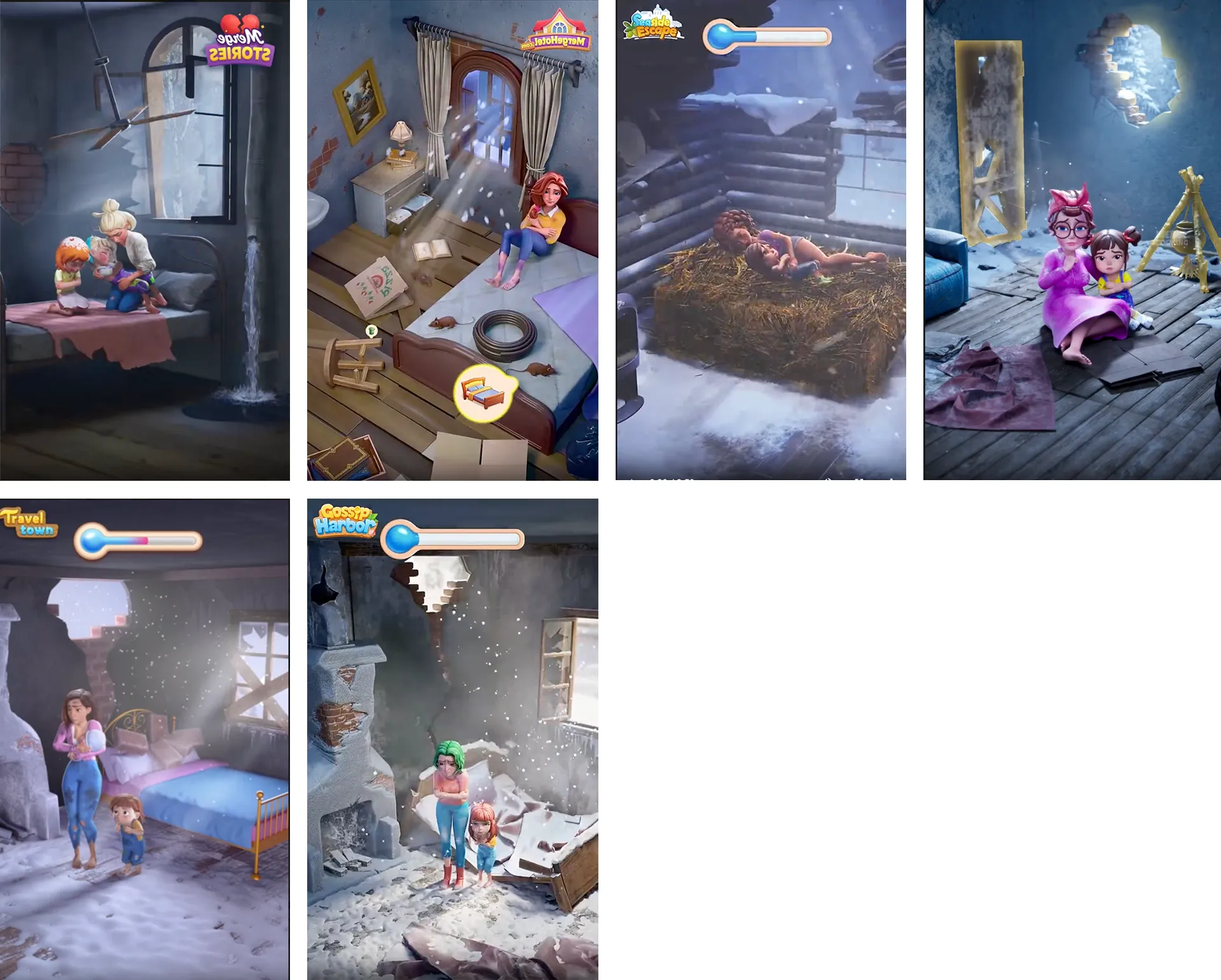
Breaking Down the “Frozen Families” Trope
To understand why some formats burn out so quickly, it helps to break down how ad fatigue in mobile game creatives often comes from repeated emotional structure, not just repeated visuals.
Hook:
Betrayal that leads to exile from the original living space.
OR
Already homeless, trying to survive freezing temperatures.
Pre-core:
Sad characters traveling to their new shelter — usually a broken house
Core:
The finger pointer tries to help fix the house, but fails.
Each choice provokes a visible emotional reaction (positive or negative).
End:
The house remains broken.
The characters turn into icicles.
Emotionally, this is a very simple loop:
Strong negative emotion → calm → spark of hope → cheering for the characters → failure → disappointment → all hope gone.
A classic fail loop with a clear trigger. In this case, the trigger is sadness, but it doesn’t have to be. The same structure works with surprise, enjoyment, fear, or curiosity.
Same Structure, Different Skins
What if I said that the ads below are structurally identical?
Once you see that, it becomes obvious that we can construct an almost endless number of ads for a merge game using the same framework.
Hook (betrayal variants)
- Lifeboat drifting away from a sinking ship
- Security drone scanning and denying access
- Royal crown taken away, castle doors slamming shut
- Family portrait cracking and falling
Pre-core
Any type of travel that logically connects the hook to what happens next.
Core (merge logic)
Because it’s a merge game, we fix or clean things by choosing between two options: good and bad.
The choices must be tied to the setting and the plot.
Examples across different settings:
- Cheap lock vs. fake security camera
- Buying a designer chair instead of a mattress
- Choosing a motivational poster instead of fixing a leak
- Picking the wrong roommate who throws parties
- Upgrading a coffee machine instead of fixing the heater
- Choosing an online course instead of paying urgent rent
End (no death required)
The ending is setting-dependent, but we don’t need to imply character death at all.
Potential endings:
- Electricity cuts out, room goes dark (characters blink, eyes are the only white spots)
- The moving truck drives away again
- A giant eraser wipes out part of the environment
- The garden grows wild and fills with carnivorous plants
- Judgmental family portraits stare from the walls
- Or the old, reliable FAIL overlay — which never fails us (pun intended)
At this point, the core issue should be clear: ad fatigue is rarely caused by one bad creative. It usually comes from too many similar mobile game ads competing with each other for attention.
Is Copycatting Worth It?
The answer is sometimes. As the examples show, some companies are extremely successful with this approach. What we usually don’t see is the number of failed ads that tried to copy the same strategy without applying the same level of thinking.
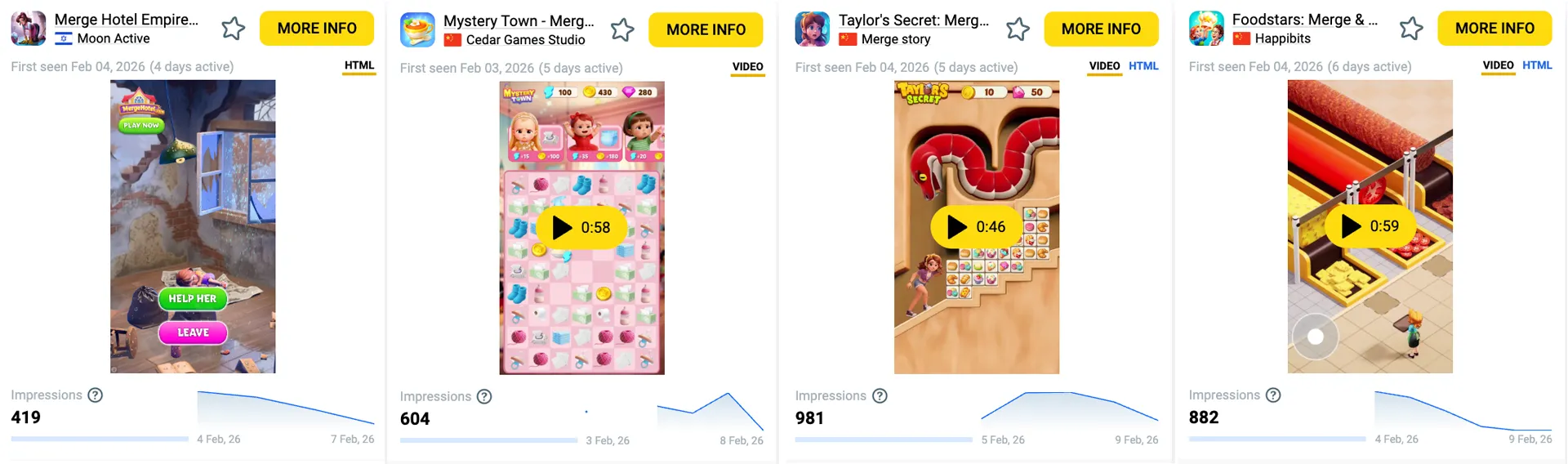
If you don’t want to join them, remember two things: what world are you building, and who are your characters?
If the trope fits them — go for it.
But always remember: you can create something completely new using the same emotions and motivators that made the original ad successful in the first place.
How We Apply Trope Adaptation in Practice
At AppAgent, we use the same approach when developing UA concepts: adapting trends to fit the game world rather than copying execution directly.
Merge Mansion: structural adaptation of the “merge → earn → decorate” loop
We adapted the Merge Cooking loop (merge → earn → decorate) for Merge Mansion, but made sure the logic actually fits the game.
Since renovations normally happen through merge tasks — not purchases — we added a narrative justification for the currency, showing what Maddie could plausibly sell to fund the mansion’s restoration.
One example is the “Auction” concept, where she sells old antiquities from the mansion to finance upgrades — keeping the earn → upgrade loop intact while grounding it in the game world.
Clash of Clans: relaxing gameplay adaptation
For Clash of Clans, we adapted the “relax creatives” trend to something players already enjoy: organizing and optimizing their base. Instead of forcing an external aesthetic, the ad focused on arranging and refining layouts, turning it into a pause-like experience that aligns with real player behavior.
To sum it up, anyone can copy a trend. The real advantage comes from making it feel like it always belonged in your game.